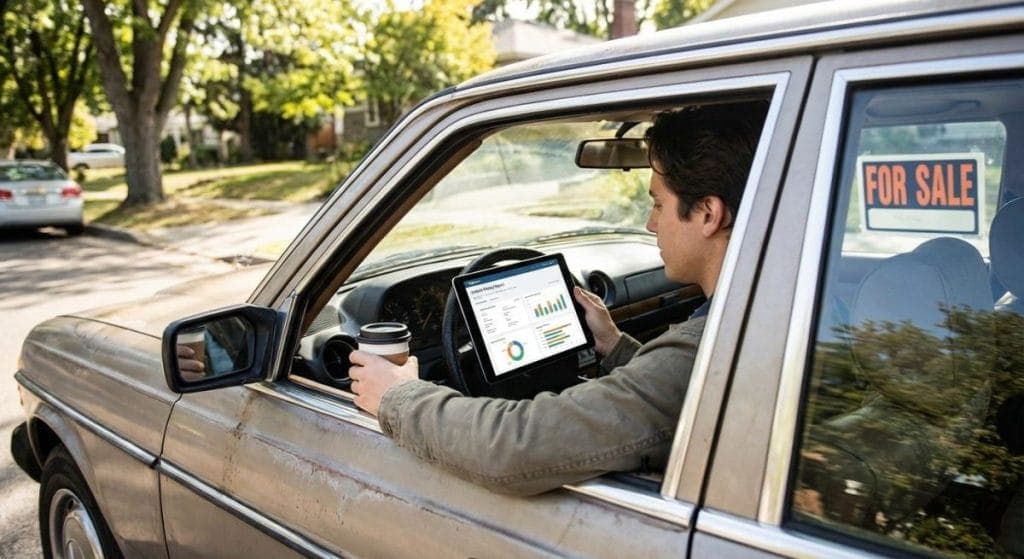
You found a used car you love, the price looks right, and then you pull the history report and see it: an accident on record. Now you’re second-guessing everything. That’s a totally normal reaction, but it doesn’t automatically mean you should walk away.
The truth is, a car with an accident history isn’t always a bad buy. Sometimes it’s actually how you find a great deal. The key is knowing the difference between a car that was bumped in a parking lot and one that was seriously damaged and poorly repaired. That difference matters a lot.
Is Buying a Car That Has Been in an Accident Bad?
Not necessarily. When a vehicle is in an accident, it loses a significant chunk of its market value, even if the repairs were done perfectly. That’s called diminished value, and it’s actually one of the reasons a car with an accident history can be a smart buy. You’re essentially getting a discount because of something that may have been fixed completely.
According to data referenced by autostoday.com, buyers can typically save 15% to 30% or more off the price of a similar used car with a clean history. That’s real money. But those savings only make sense if the car was properly repaired and is genuinely in good condition now.
The type of accident matters enormously. A minor collision, like a fender bender or a cosmetic door ding, is very different from a major structural impact. A car that took a hard hit to the frame, got flooded, or was declared a total loss by an insurer is a different animal entirely.
Understanding Salvage Titles and Rebuilt Titles
This is where things get serious. If an insurer declared the car a total loss, it typically gets a salvage title. That means the cost to repair it exceeded a certain percentage of its value. A salvage title car is not legally drivable in most states until it’s repaired and re-inspected.
Once a salvage vehicle goes through repairs and passes a state inspection, it may receive a rebuilt title (sometimes called a rebuilt salvage title). These cars can be driven and insured, but they carry ongoing stigma in resale value and can be harder to get financed or fully insured.
A salvage or rebuilt title situation is a much bigger deal than a standard accident on a clean title vehicle. If you’re considering a salvage title purchase, get an extremely thorough independent inspection before you commit. Some buyers do well with these cars. Many don’t.
What the Accident Record Actually Tells You
When you run a vehicle history report through a service like Carfax or AutoCheck, you’ll typically see the date of the incident, whether it was reported to insurance, and sometimes the general area of damage. What you won’t always see is exactly how bad it was or the quality of the repair work done afterward.
Carfax flags accidents and damage reports, but a clean Carfax doesn’t guarantee a clean history. Some accidents never get reported to insurance. That’s why a vehicle history report is a starting point, not a finish line.
You should also check for open recalls using the NHTSA recalls database and run a free VIN lookup to pull together as much background as you can before you ever go look at the car in person.
The Inspection Is Non-Negotiable
If you’re seriously considering buying a car with an accident history, you need an independent pre-purchase inspection. Not a glance-over at the dealer lot. An actual inspection by a trusted mechanic who can put it on a lift and look for signs of frame damage, poor body panel alignment, mismatched paint, or hidden rust.
A good body shop can also spot evidence of previous collision repairs that weren’t done right. Look for uneven panel gaps, overspray on trim or rubber seals, and paint color that doesn’t quite match between panels. These are all signs that repairs may have been rushed or done cheaply.
The inspection typically costs between $100 and $200. That’s a small price compared to buying a car that turns into a money pit six months later.
Where to Buy Accident-Damaged Cars
If you’re specifically looking for cars with accident histories at a discount, there are a few places worth knowing about.
Dealer inventory is one option. Some used car dealers, like AutoSavvy, specialize in vehicles with accident histories that have been repaired and inspected. They’re upfront about the history, which is exactly what you want. Transparency is a good sign in any seller.
You can also find these vehicles at insurance auctions, though that route is usually better suited to buyers who really know cars or have a mechanic in their corner. Auction purchases are typically sold as-is with no warranty and limited inspection time.
Private sellers are another source, but be more cautious here. Always run a vehicle history report yourself and never skip the independent inspection just because the seller seems trustworthy.
When you’re ready to crunch the numbers on financing, our car loan calculator can help you figure out what monthly payment works for your budget before you start negotiating.
How to Evaluate the Specific Car in Front of You
Once you have the accident history report in hand, here’s what to focus on before you decide to buy a car:
- Severity of the accident: Was it a minor collision or a major impact? Did airbags deploy? Airbag deployment often signals a hard hit.
- Frame or structural damage: This is the biggest red flag. Frame damage affects handling, safety, and long-term reliability.
- Quality of the repair: Ask for documentation. A reputable repair facility will have records. Poor repairs mean future problems.
- Title status: Clean title, salvage, or rebuilt? Each carries very different implications for insurance, financing, and resale.
- Current condition vs. accident history: A car that was in a minor accident five years ago and has been well-maintained since can be a perfectly solid buy.
Accident History and Insurance Costs
Buying a car with an accident history can also affect your insurance rates, though maybe not in the way you’d expect. Your driving record is what affects your premium most directly. A car with a prior accident on its history doesn’t automatically raise your insurance costs the way a ticket or at-fault accident on your own record would.
That said, a rebuilt title vehicle can be harder to get comprehensive or collision coverage on, and some insurers won’t cover them at all. Check with your insurance provider before you buy a car with a rebuilt title to make sure you can get the coverage you need.
State-Specific Considerations
The rules around salvage and rebuilt titles vary by state. In California and Florida, for example, state agencies have specific processes for inspecting and re-titling rebuilt salvage vehicles. In New Jersey, the Motor Vehicle Commission handles rebuilt title certifications. The core concern is the same everywhere: make sure the title status is clearly disclosed and legally documented before you buy a car in any state.
If you’re buying across state lines, check both your home state’s rules and the selling state’s rules. Title branding can sometimes be “washed” when a car moves between states, which is exactly why running a full vehicle history report matters so much. Our free VIN lookup tool can help you spot title discrepancies before you get too far into the process.
When a Car with an Accident History Makes Sense
The math can work in your favor under the right circumstances. If the accident was minor, the repairs were done properly, the car has a clean title, and the price reflects the history, then buying a car with an accident on record can be a genuinely smart move.
You can browse a wide variety of vehicles with full history transparency, including models like used Jeep Wranglers, Nissan Maximas, Cadillac CT5s, and GMC Acadias, by using our tool to browse used cars by make and see what’s available in your price range.
The goal isn’t to avoid every car that ever had a scratch. The goal is to know exactly what you’re buying and pay a fair price for it.
When to Walk Away
Some situations are clear skips. Walk away from a car with an accident history when:
- The seller can’t or won’t provide repair documentation
- The vehicle has frame or structural damage on the history report
- The title is salvage and you’re not prepared for the complications that come with it
- The inspection turns up signs of poor-quality repair work
- The price isn’t actually discounted to reflect the history
If a dealer or private seller is asking close to clean-title market value for a car with a significant accident history, the deal isn’t as good as it looks. The discount should be real and meaningful.
Making Your Decision
A car with an accident history isn’t automatically a bad used car. It’s a car that requires more homework. The accident history report is your starting point. The independent inspection is your safety net. And understanding the title status is what keeps you from inheriting someone else’s serious problem.
Do those three things, and you put yourself in a genuinely strong position to buy a car at a fair price with your eyes open. That’s a better outcome than overpaying for a clean-history car you barely researched.
Start by running a free VIN lookup on any vehicle you’re seriously considering. Know what you’re looking at before you drive out to see it. That one step alone can save you a lot of time and potentially a lot of money.
Was this helpful?
Put it to work. Research your next car or browse our top gear picks.