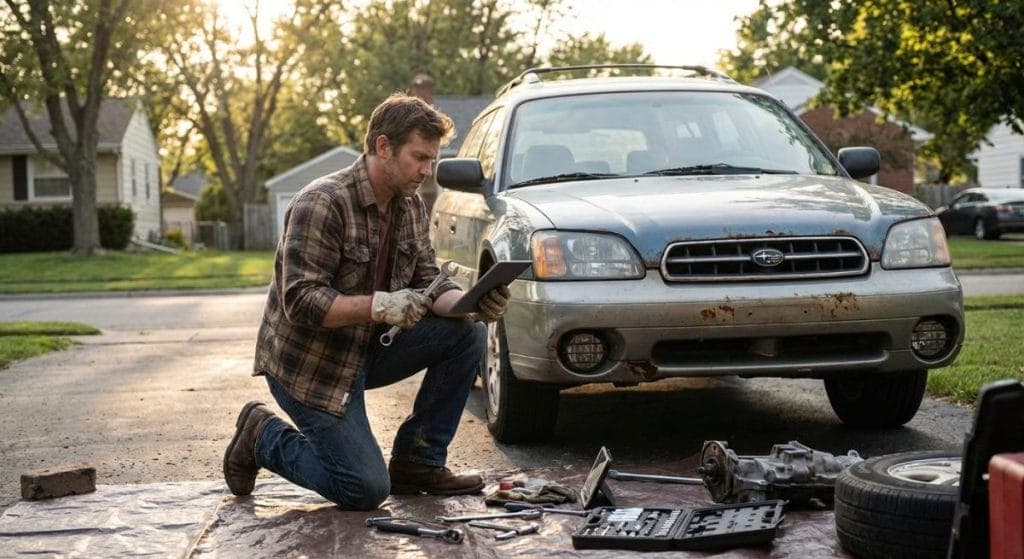
Federal lawmakers are pushing legislation that could fundamentally change who gets to fix your car and how much it costs. The REPAIR Act, introduced in the 119th Congress, is gaining traction in 2026, and if it passes, it would force automakers to share diagnostic data and repair tools with anyone who owns a vehicle, not just their own dealership networks. For used car buyers, that’s a big deal.
What’s Happening
The REPAIR Act (H.R.1566) is currently before the 119th Congress. The bill’s full name is the “Right to Equitable and Professional Auto Industry Repair Act,” and its core goal is straightforward: give vehicle owners and independent repair shops the same access to vehicle data, tools, and repair information that automakers provide to their own dealer networks.
Right now, many modern vehicles generate enormous amounts of data through onboard computers and telematics systems. Automakers have largely controlled access to that data, making it difficult for a neighborhood repair shop to diagnose or fix certain issues without proprietary tools that only dealers have. The REPAIR Act would change that by requiring manufacturers to make that data available through standardized, open-access systems.
The push for right to repair legislation isn’t new, but 2026 marks a significant turning point. Colorado’s right-to-repair law takes effect on January 1, 2026, giving Colorado residents some of the broadest repair rights in the country, according to PIRG. At the federal level, the REPAIR Act has drawn support from both sides of the aisle, with several cosponsors citing the economic burden that restricted vehicle repair access places on everyday car owners.
The Alliance for Automotive Innovation, which represents major automakers, has pushed back on the legislation, raising concerns about cybersecurity and data privacy if third-party access to vehicle data is mandated without strict controls.
What the REPAIR Act Would Do
The REPAIR Act would require every automaker selling vehicles in the U.S. to provide access to the same diagnostic and repair data they give their own dealers. That includes real-time sensor data, software tools, and repair documentation. Importantly, the bill also includes a consumer protection clause: under the REPAIR Act, manufacturers would be prohibited from recommending specific parts or tools without clearly disclosing that vehicle owners can choose their own repair parts. That notice must appear in the same font size as the recommendation itself, per the bill’s text on Congress.gov.
The bill also takes aim at a tactic some suppliers and manufacturers have used to restrict access: requiring serial numbers or proof of ownership beyond a standard purchase order before releasing parts. The 2026 legislative framework prohibits that kind of gatekeeping, according to The Repair Association.
For the aftermarket parts industry, this is a significant win. Aftermarket parts suppliers have long argued that automakers unfairly steer consumers toward OEM components by restricting access to repair data that would allow independent repair shops to do the same work.
Who It Impacts
The short answer: pretty much everyone who owns or plans to buy a used car. If you’ve ever gotten a quote from a dealership and felt the number was shocking, you’re not imagining things. Dealer-only access to diagnostic tools and repair procedures is a real driver of those higher costs.
Used car buyers in particular feel this squeeze. Older vehicles often need more frequent repairs, and if the only repair facilities that can properly diagnose your car are dealerships, your options get expensive fast. The right-to-repair movement is specifically aimed at fixing that.
Vehicle owners with cars under California’s Lemon Law protections should also pay attention. California’s Lemon Law generally covers new vehicles that have a substantial defect covered by the manufacturer’s warranty that can’t be repaired after a reasonable number of attempts. The law typically applies to vehicles purchased or leased in California, and the “reasonable number of attempts” standard is often interpreted using what’s informally called the 30-60-90 rule: roughly 30 days out of service, or two attempts for a serious safety defect, or four attempts for other defects. Expanded access to repair data under the REPAIR Act could make it easier to document those failed repair attempts, which matters if you’re building a Lemon Law case.
Why Both Parties Signed On
The right-to-repair issue has unusual bipartisan support because it touches both economic and property-rights arguments. Conservatives see it as protecting owners’ rights over things they’ve purchased. Progressives see it as a consumer protection issue that keeps corporate power over everyday expenses in check. Independent repair shop owners, many of them small business operators, have lobbied hard for the REPAIR Act across party lines.
The Opposition
The automaker side of this debate isn’t entirely without merit. Cybersecurity is a genuine concern when you’re talking about open access to a vehicle’s onboard systems. The Alliance for Automotive Innovation argues that third-party access to sensitive vehicle data creates real vulnerabilities, and that the auto industry needs clear standards before any mandated access system goes live. The REPAIR Act‘s supporters say those concerns are valid but shouldn’t be used to permanently lock independent shops out of the market.
What This Means for Used Car Buyers
If the REPAIR Act passes in 2026, the most immediate benefit for used car buyers is more competition in the repair market. More shops able to do more work means lower prices for you. It also means you’re less likely to be told that your only option for a particular repair is the dealership.
From a shopping perspective, right to repair legislation could make certain used vehicles more attractive. Cars from automakers that have historically been aggressive about locking down their systems, particularly some European luxury brands and newer EV manufacturers, may become significantly cheaper to maintain if independent shops gain full access to diagnostic tools.
The aftermarket parts market should also see more activity. More competition between OEM and aftermarket suppliers benefits buyers directly through lower parts costs.
What You Should Do
Before you buy any used vehicle right now, run a free VIN lookup to check the car’s history, open recalls, and title status. That doesn’t change regardless of what happens with the REPAIR Act, and it’s one of the most important steps any buyer can take.
Ask your mechanic which automaker brands they can fully diagnose with their current tools. That tells you a lot about which used cars carry hidden repair costs today, before any new law kicks in.
If you’re budgeting for a purchase, use our car loan calculator to factor in estimated maintenance costs alongside your monthly payment. A cheaper sticker price from a brand with expensive dealer-only repairs can cost you more over time.
Watch how the REPAIR Act moves through Congress in 2026. If it passes, it could meaningfully shift the value equation on used vehicles from brands that have historically restricted vehicle repair access. That’s worth tracking before you sign anything.
Was this helpful?
Put it to work. Research your next car or browse our top gear picks.