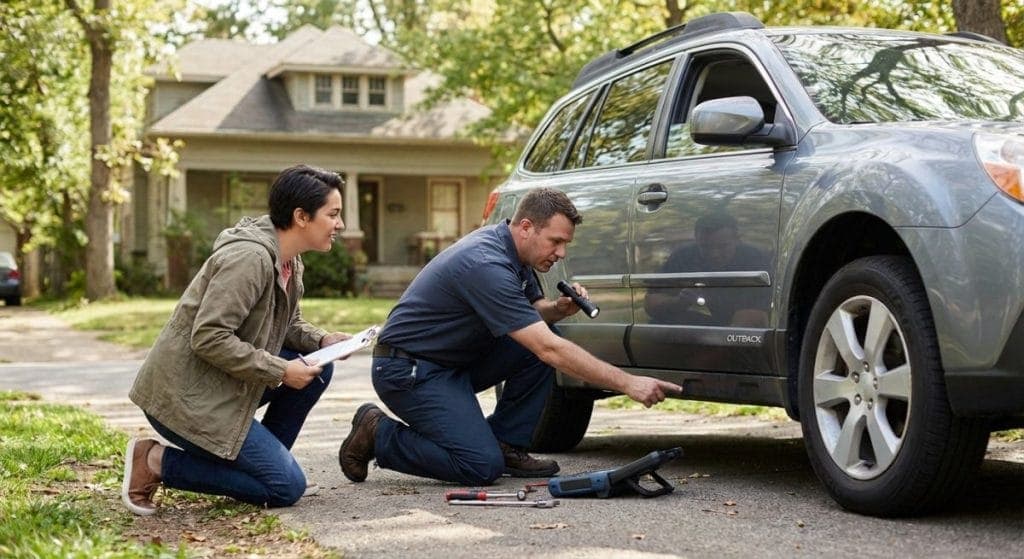
You’ve found a used car you love, the price looks right, and the seller seems honest. But before you hand over any money, there’s one step that separates smart buyers from people who end up with a lemon: a pre-purchase inspection. This guide walks you through everything you need to know.
Why You Need a Pre-Purchase Inspection
Used cars don’t come with guarantees. Even a clean-looking vehicle can be hiding serious problems underneath, things you’d never catch on a casual walkthrough or even a test drive. A pre-purchase inspection gives you an unbiased, professional look at exactly what you’re buying before the money changes hands.
Think about what’s at stake. Buying a used car often means spending thousands of dollars on something you know very little about. A professional mechanic can spot worn brakes, failing suspension components, hidden rust, and a dozen other issues that would cost you far more to fix than the inspection itself ever will.
The short answer to “should I get a pre-purchase inspection?” is yes, every single time. No exceptions.
What Is a Pre-Purchase Inspection?
A pre-purchase inspection, or PPI, is a professional evaluation of a used vehicle carried out by a qualified mechanic before you commit to buying it. It’s not the same as a general service appointment. The mechanic isn’t there to fix anything. They’re there to assess the condition of the car and tell you the truth about what they find.
This is different from a dealership’s in-house inspection, too. When a dealership tells you a car has been “inspected and certified,” they’re assessing it on their own terms. An independent pre-purchase inspection uses a mechanic who has no financial stake in whether you buy the car or not.
The whole point of a PPI is to give you objective information. What’s worn out, what’s about to fail, what’s already broken, and what’s in solid shape. Armed with that, you can negotiate a better price, ask the seller to fix specific issues, or walk away entirely.
When To Get a Pre-Purchase Inspection
The right time to schedule a pre-purchase inspection is after you’ve done your initial research and you’re seriously considering a specific car, but before you’ve agreed to buy it. You’ve run the free VIN lookup tool, reviewed the vehicle history, and the car seems worth a closer look. That’s the moment to bring in a mechanic.
Don’t wait until after you’ve shaken hands on a price. And don’t let a seller rush you into skipping this step with pressure tactics. Any legitimate seller, whether it’s a private individual or a dealership, should have no problem with you asking for an independent inspection. If someone refuses or gets defensive, that’s a major red flag on its own.
This applies to all used cars, not just high-mileage beaters. Even low-mileage vehicles can have accident damage, deferred maintenance, or flood history that doesn’t show up on a carfax report.
Where To Get a Pre-Purchase Inspection
Your best option is an independent automotive repair shop that has no connection to the seller. Look for a mechanic with ASE certification, solid reviews, and experience with the type of vehicle you’re considering. Some makes and models have quirks that only a specialist would catch.
If you’re buying from a dealership, you still have every right to take the car off-site for an independent inspection. Most reputable dealerships will allow it. If they won’t, walk away. There are plenty of used cars out there, and a seller blocking an inspection usually has something to hide.
For private sales, the process is the same. You drive (or arrange to transport) the car to the mechanic’s shop, or some mobile inspection services will come to the car’s location. Mobile inspections can be convenient, though a lift at a proper shop is ideal since it gives the mechanic a full view of the undercarriage, brakes, suspension, and exhaust system.
What’s Included in a Pre-Purchase Inspection
A thorough pre-purchase inspection should cover the entire vehicle, not just the obvious stuff. Here’s what a good mechanic will typically assess:
- Engine and transmission: Fluid condition and levels, signs of leaks, unusual noises, and whether the engine starts cleanly and runs smoothly.
- Brakes: Pad thickness, rotor condition, brake lines, and whether the braking system feels responsive under load. Worn brakes are one of the most common issues on used cars, and brake repairs aren’t cheap.
- Suspension and steering: The mechanic will check suspension components for wear, check for play in steering, and inspect shocks and struts. Suspension problems can make a car genuinely unsafe to drive.
- Exhaust system: Cracks, leaks, or rust in the exhaust can cause fumes to enter the cabin, and repairs range from minor to very expensive depending on where the problem is.
- Undercarriage and frame: This is where rust hides. Structural rust on the frame is a dealbreaker. Surface rust on body panels is less serious but still worth knowing about.
- Tires: Tread depth and whether wear patterns suggest alignment or suspension issues.
- Electrical systems: Lights, windows, HVAC, and basic electronics.
- Body and paint: Signs of past accident repairs, mismatched panels, or poor bodywork.
A good mechanic will also scan the car’s OBD-II port for stored fault codes, including codes that have been cleared recently. This is something a lot of buyers miss entirely.
The pre-purchase inspection checklist varies slightly by shop, but the fundamentals above should always be covered. Ask the shop in advance what their inspection includes so you know what you’re getting.
How Much Does a Pre-Purchase Inspection Cost
A pre-purchase inspection typically costs between $100 and $200 at an independent automotive shop, though prices vary by region and the complexity of the vehicle. Luxury cars, trucks with 4WD systems, and hybrids or EVs can run higher because there’s more to inspect.
Some shops offer tiered inspection packages. A basic inspection might cover the essentials, while a more thorough inspection includes a compression test, detailed fluid analysis, or a test drive with the mechanic behind the wheel. If you’re spending a significant amount on the car, spending a bit more on a deeper inspection makes sense.
Compare that cost to what you could be walking into. A failing transmission on a used vehicle can cost $3,000 or more to rebuild. Brake work, suspension repairs, and rust remediation all add up fast. The inspection pays for itself the moment it catches even one serious issue.
If the seller is offering to lower the price based on the inspection findings, the inspection paid for itself twice over.
Red Flags To Watch For
Even before you get to the formal pre-purchase inspection, your own eyes can tell you a lot. Look for paint that doesn’t quite match across panels, gaps between body panels that are uneven, or overspray on rubber trim. These often point to past collision repairs.
Pop the hood and look at the engine bay. A recently steam-cleaned engine compartment on an older, high-mileage car can mean someone was trying to clean up an oil leak before the sale. Look for coolant stains, oil residue, and any hoses or belts that look cracked or dried out.
Check under the car if you can. Rust on the frame rails or subframe is a serious structural concern. Drips or wet spots under the engine or transmission tell their own story.
None of this replaces what a mechanic will catch, but going in with your own observations gives you better questions to ask and helps you decide whether the car is even worth paying for an inspection.
Find a Dependable Used Vehicle
Before you even get to the inspection stage, you want to make sure you’re looking at the right car. Researching used cars by reliability record and ownership costs saves you from wasting inspection money on vehicles that are known to have chronic problems. You can browse used cars by make to compare options across different makes and models before narrowing down your list.
Once you’ve found a promising candidate, run the VIN through our free VIN lookup tool to check for accidents, title issues, odometer discrepancies, and open recalls from the NHTSA recalls database. The VIN check and the pre-purchase inspection work together. One covers the car’s paper history, the other covers its physical condition right now.
If you’re working out what you can afford, our car loan calculator can help you figure out monthly payments before you commit to a price.
What’s Next
If the pre-purchase inspection comes back clean, you’re in a strong position. You’re buying a used vehicle with eyes wide open, and you have documentation of its condition at the time of purchase. If the mechanic finds issues, you have options: negotiate a lower price to offset repair costs, ask the seller to fix specific problems before the sale, or walk away and find something better.
Walking away is always on the table. There will always be more used cars. There won’t always be a chance to undo a bad purchase.
Get the inspection before you fall too far in love with the car. That’s the move that separates buyers who get a solid deal from buyers who spend the next two years funding repairs they never saw coming.
Related Resources
- Free VIN Lookup Tool — check a car’s history before you inspect it
- Car Loan Calculator — figure out what you can actually afford
- Browse Used Cars by Make — find reliable makes and models worth inspecting
TL;DR: Quick Summary
A pre-purchase inspection is a professional mechanical evaluation of a used car before you buy it. You get it done at an independent automotive shop, it typically costs $100 to $200, and it can save you from spending thousands on problems you didn’t know about. A qualified mechanic will inspect the brakes, suspension, engine, transmission, rust, electrical systems, and more. Always get one. Always use an independent mechanic. And always run a VIN check first.
Was this helpful?
Put it to work. Research your next car or browse our top gear picks.