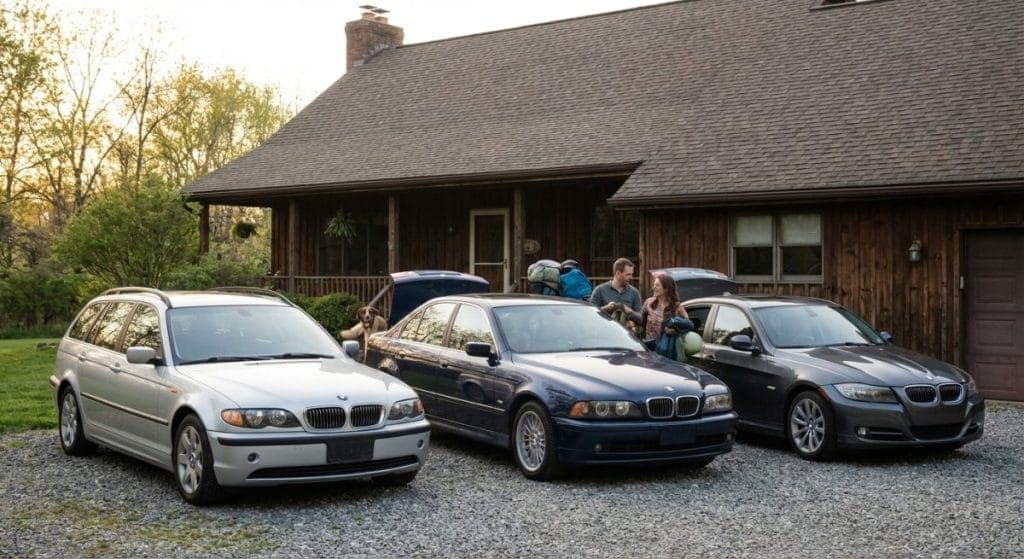
BMWs have a reputation for being expensive to own, and honestly, some of that reputation is earned. But buy the right model from the right year, and you’ll get a genuinely reliable car that punches well above its used price. The trick is knowing which ones to target.
This guide breaks down the most reliable used BMW models you can actually live with day to day, not just admire in a parking lot. We’ll cover which engine setups tend to hold up, which years to avoid, and what to check before handing over your money.
What Makes a Used BMW Actually Reliable?
Not all BMWs age the same way. A lot comes down to the engine, the generation, and how well the previous owner kept up with maintenance. BMWs running quality synthetic oil on schedule will often cross 150,000 miles without major powertrain trouble. Neglected ones can start showing cracks much earlier.
The models that tend to hold up best are usually the ones with simpler powertrains, strong JD Power reliability scores, and a large enough owner base that mechanics know them well. That last part matters more than people realize. A common engine means cheaper parts and more experienced technicians.
Always get an independent pre-purchase inspection before you buy a used BMW. No exceptions. Use our free VIN lookup tool to pull the vehicle history first, then take it to a trusted independent shop or BMW specialist.
10. 2017 BMW i3
The i3 is a bit of an outlier on this list, but its reliability record is hard to argue with. The electric drivetrain sidesteps most of the engine-related headaches that plague used BMWs. No oil changes, no timing chains, no coolant leaks to worry about.
The main concerns with a used i3 are battery degradation and the optional range extender engine, a small two-cylinder unit that can develop issues if it hasn’t been exercised regularly. Stick to the fully electric version if possible. Check that the battery holds a strong charge before committing.
9. 2016 BMW 3 Series
The BMW 3 Series is probably the name that comes to mind first when people think about a reliable used BMW, and the 2016 model earns that trust. The F30 generation (2012 to 2018) hit its stride by this point, with most early software and hardware quirks ironed out.
The four-cylinder 328i and 330i engines are the ones to focus on. They’re known for being manageable over high mileage, and the 330i in particular offers a strong balance of performance and day-to-day dependability. The inline-six in the 340i is quicker but adds complexity. Watch for coolant system leaks and valve cover gasket wear on any of these engines, both are common and relatively affordable to fix if caught early.
8. 2021 BMW X7
The X7 is BMW’s full-size SUV, and the 2021 model year lands in a solid spot for used buyers. It’s newer enough that most reliability concerns are minor, and JD Power scores for this generation are encouraging. The 3.0-liter turbocharged inline-six engine in the xDrive40i trim is the sweet spot, offering plenty of power without the added complexity of the V8.
That said, the X7 is a big, tech-heavy vehicle. Infotainment gremlins and sensor issues show up occasionally in owner reports. A thorough inspection covering all electronic systems is worth doing before you buy. You can browse used cars by make to compare available trims and mileage ranges.
7. 2016 BMW 2 Series
The 2 Series doesn’t get nearly enough credit as a reliable used BMW. It’s compact, sharp to drive, and the engine options in this generation are genuinely tough. The 228i with its four-cylinder turbo engine and the 235i with the inline-six are both strong performers that tend to age well.
Because the 2 Series is smaller and simpler than the bigger BMWs, there’s less to go wrong. Maintenance costs stay lower, and the parts availability is good. If you want something fun and reliable without spending a fortune, this BMW model is worth a serious look.
6. 2018 BMW X5
The BMW X5 has long been one of the brand’s best sellers, and the 2018 model sits at a good point in the F15 generation’s run. By this year, most of the early issues had been resolved and the engines were well-understood by technicians. The xDrive35i, which uses a turbocharged inline-six engine, is the one most used buyers should target.
The X5 can develop air suspension faults on higher-mileage examples, so check that system carefully. Engine-wise, the inline-six is solid, but watch for oil leaks around the valve cover and timing chain tensioner. Both are fixable, but you want to know about them before you buy, not after.
5. 2007 BMW 7 Series
The BMW 7 Series from 2007 is not for first-time used BMW buyers. It’s complex, it’s old, and parts can get pricey. But if you know what you’re doing (or have a good independent BMW specialist on call), the E65 generation 7 Series can be a remarkable bargain.
The 4.8-liter V8 engine in the 750i is the one with the better long-term track record. Avoid the V12 unless you’re prepared for the maintenance costs that come with it. Common issues include air suspension failures, window regulator problems, and iDrive system quirks. These are manageable if you buy at the right price with your eyes open.
4. 2022 BMW X3
The BMW X3 is consistently one of the stronger performers in BMW’s lineup for reliability. The 2022 model year benefits from a mid-cycle refresh that tidied up some of the earlier G01 generation’s rough edges. JD Power data for recent X3 model years shows above-average scores for this segment.
The 2.0-liter turbocharged four-cylinder engine in the sDrive30i and xDrive30i is efficient and durable. Owners generally report strong mechanical dependability with only modest complaints about electronics. This is one of the most reliable compact luxury SUVs you’ll find on the used market right now.
3. 2015 BMW 5 Series
The BMW 5 Series sedan from 2015 hits a sweet spot. It’s from the F10 generation (2010 to 2016), which is now well-understood by mechanics everywhere. Parts are widely available, and the common engine problems are known quantities, meaning easier diagnosis and often lower repair costs.
The 528i with its four-cylinder turbocharged engine is the practical choice. It’s surprisingly quick, reasonably fuel-efficient, and the engine has a decent reliability record when maintained properly. The 535i with the inline-six is more exciting but adds some complexity. Whichever you choose, check the timing chain, valve cover gasket, and cooling system carefully. These are the spots where F10 engines tend to show their age.
2. 2017 BMW X3
The 2017 BMW X3 earns its spot near the top of this list. JD Power’s data shows the 2017 model year performing above average in its segment, and owner feedback backs that up. The turbocharged four-cylinder engine in the xDrive28i is the choice for long-term ownership. It’s proven, parts are accessible, and many owners report crossing high mileage with no major powertrain trouble.
Yes, you’ll potentially deal with coolant system leaks or a valve cover gasket at some point. Those are common across turbocharged used BMWs of this era. But they’re manageable costs, not catastrophic ones. Keep up with oil changes using quality synthetic fluid, watch your coolant level, and this BMW model will serve you well. It’s one of the most reliable used BMW options available for under $25,000 right now.
1. 2022 BMW X1
The 2022 BMW X1 sits at the top of this list for good reason. It’s relatively recent, which means the warranty history is still traceable and most examples haven’t accumulated the kind of mileage where problems tend to surface. The platform is mature, the engine options are solid, and the ownership costs are lower than most other BMWs.
The 2.0-liter turbocharged four-cylinder engine is smooth, efficient, and has a track record of reliability across multiple BMW and Mini applications. This is a genuinely reliable used BMW that won’t scare off a buyer who isn’t a hardcore BMW enthusiast. It’s approachable, practical, and holds up well. For a first-time used BMW owner, this is where we’d point you.
BMW 3 Series: The Benchmark for Luxury Sedans
If there’s one BMW model that defines what a reliable used BMW should feel like, it’s the BMW 3 Series. It’s been doing this for decades. The F30 generation is the most accessible for used buyers today, and the sedan body style keeps things simple and structurally sound over time.
The 3 Series is considered one of the most reliable BMWs ever made, and that’s not just nostalgia talking. Parts are cheap relative to other BMWs, mechanics know these engines cold, and the driving experience still feels modern. A well-maintained 3 Series sedan from this generation can easily run past 200,000 miles. That’s exceptional for a used luxury car.
BMW X3: A Compact SUV with Big Personality
The BMW X3 is a standout in the compact luxury SUV class for reliability. Both the 2017 and 2022 model years we’ve highlighted here earned their spots based on real owner data and JD Power ratings, not just reputation. The engine in the X3 is shared across several BMW platforms, which means widespread parts availability and mechanics who know it well.
On the used market, the X3 is one of the best value propositions BMW offers. You get genuine luxury features, a capable all-wheel-drive system, and a reliability record that holds up against non-German competitors. If you’re cross-shopping used BMWs and SUVs are your thing, the X3 should be on your shortlist.
BMW X5: The SUV That Redefines Versatility
The BMW X5 is a bigger ask, financially and mechanically. But the right example of an X5 can be a genuinely reliable long-term companion. The turbocharged inline-six engine versions are the ones with the best track records. Avoid high-mileage V8 examples unless the service history is immaculate and the price reflects the risk.
The X5 on the used market rewards buyers who do their homework. Use the free VIN lookup tool to check for any open recalls through the NHTSA recalls database, and factor in the cost of an independent inspection before finalizing any deal. A clean X5 with a documented service record is one of the best used luxury SUVs money can buy. A neglected one is a money pit.
Before You Buy Any Used BMW
The single biggest factor in whether your used BMW is reliable isn’t the model, it’s the maintenance history. A neglected 3 Series will cost you more than a well-kept 7 Series. Always ask for service records. If the seller can’t produce them, price accordingly or walk away.
Get a VIN history report and have an independent mechanic inspect any used BMW before you commit. Check for oil leaks around the engine, listen for any timing chain noise on cold starts, and make sure the cooling system is in good shape. These are the pressure points across most used BMWs.
If you’re working out financing, run the numbers through our car loan calculator so you know exactly what you’re committing to monthly before you fall in love with a specific car. Then go find the right one. The reliable used BMW you’re looking for is out there, you just need to know what to look for.
Was this helpful?
Put it to work. Research your next car or browse our top gear picks.