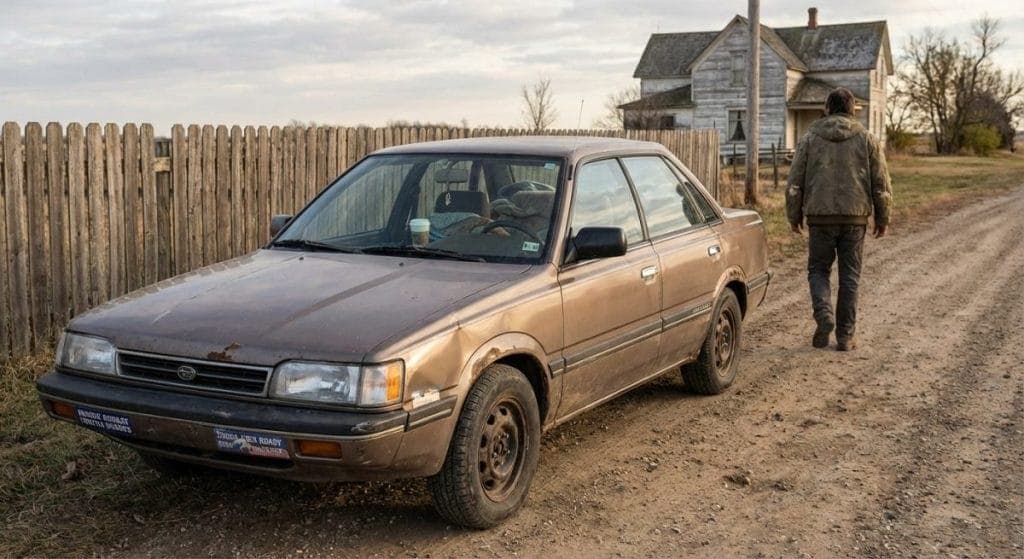
You’ve found a used car you love, the price is right, but the mileage is giving you pause. Maybe it’s 120,000 miles, maybe it’s 180,000. The question everyone asks is the same: how many miles is too many for a used car? The honest answer is more nuanced than a single number, and understanding it could save you thousands.
Why Is Mileage Important?
Mileage is the odometer’s way of telling you how hard a car has worked. Every mile adds wear to the engine, transmission, brakes, suspension, and dozens of other components. The more miles, the closer those parts get to needing replacement.
But here’s the thing: car mileage is a proxy, not a verdict. It signals potential wear, not certain failure. A 150,000-mile Toyota that’s been babied and serviced on schedule can be a far better buy than a 60,000-mile mystery car from an unknown previous owner who skipped every service appointment.
Still, mileage matters a lot for pricing. Two otherwise identical cars, same make, model, and trim, can differ by thousands of dollars based on mileage alone. That gap reflects real risk, and you need to understand what you’re getting into before you hand over your cash.
What Is the Average Mileage Per Year in the U.S.?
The standard benchmark you’ll see everywhere is 12,000 to 15,000 miles per year. That’s the generally accepted average American driver puts on a car annually. It’s not a hard rule, but it gives you a useful baseline when you’re sizing up a used car.
So if you’re looking at a 5-year-old car, you’d expect it to have somewhere between 60,000 and 75,000 miles. If it has 40,000, that could be a pleasant surprise. If it has 110,000, the previous owner was clearly racking up serious road time.
The per-year calculation is simple: divide the total mileage by the car’s age. A 2018 model year car with 90,000 miles in 2025 works out to roughly 12,857 miles per year. That’s pretty average. No red flags just from the math alone.
Mileage Categories and What They Mean
Think of mileage in rough tiers. Each tier changes the conversation around price, risk, and expected lifespan.
- Under 30,000 miles: Nearly new territory. Low risk, but expect to pay a premium close to new car prices. You’re mostly buying peace of mind.
- 30,000 to 70,000 miles: The sweet spot for most buyers. The original owner has absorbed the sharpest depreciation, and the car still has plenty of life left.
- 70,000 to 100,000 miles: Getting into higher mileage range. Maintenance costs start creeping up, but a well-maintained example from a reliable brand is still a solid buy.
- 100,000 to 150,000 miles: Requires more scrutiny. A full service history is non-negotiable at this stage. The right car at this mileage can still offer great value.
- Over 150,000 miles: You’re buying on borrowed time with most vehicles. Some makes handle this range better than others. Budget for repairs and go in with eyes open.
Maintenance and Owner History
Mileage without context is almost meaningless. What matters just as much, if not more, is how those miles were driven and whether the car was taken care of along the way.
Maintenance records are your best friend here. A stack of service receipts showing regular oil changes, fluid flushes, and scheduled maintenance tells you this car was taken seriously. A seller who hands you a folder of records is signaling confidence. A seller who shrugs and says “I just drove it” is a warning sign.
The previous owner’s driving habits also shape how those miles aged the car. Highway miles are generally easier on a car than city miles. A car that spent most of its life on the interstate at steady speeds puts less strain on the engine and brakes than one that spent years in stop-and-go urban traffic.
Ask the seller directly: where did most of the driving happen? Was it commuting, road trips, or local errands? You won’t always get a straight answer, but it’s worth asking. A free VIN lookup tool can also surface reported history, accidents, and sometimes service records that a seller hasn’t volunteered.
Regular oil changes are one of the biggest predictors of engine health. An engine that’s been fed fresh oil on schedule will outlast one that’s been running on degraded oil by tens of thousands of miles. If a seller can’t show you proof of oil changes, treat the car’s maintenance history as unknown.
How to Pick a Used Car Based on Mileage
Start with the math, then go deeper. Calculate the average annual mileage and compare it to the 12,000 to 15,000 mile benchmark. From there, factor in the maintenance records, the vehicle’s reported history, and whether the model has a reputation for longevity.
A well-maintained used car from a brand known for reliability changes the equation entirely. A Toyota Camry or Toyota Corolla with 130,000 miles and a clean service history is a very different proposition than a luxury European sedan at the same mileage with spotty records. Toyota builds engines that are engineered to go the distance, and the track record backs that up.
Before you commit to any used car, get an independent inspection from a trusted mechanic. This is not optional. A pre-purchase inspection typically costs between $100 and $200 and can reveal problems that no amount of mileage research would catch. It’s the single best investment you can make when buying a used car.
If financing is part of your plan, run the numbers before you fall in love with a car. Use our car loan calculator to see what a given price and interest rate will actually cost you monthly. High mileage cars sometimes come with higher interest rates from lenders, which changes the true cost of the deal.
Popular High-Mileage Cars in the U.S.
Some vehicles have earned a reputation for going well beyond the average before they start giving owners headaches. If you’re buying a used car with serious mileage, these are the models that tend to hold up best.
Toyota leads the pack. The Toyota Camry, Toyota Corolla, Toyota Tacoma, Toyota Highlander, and Toyota RAV4 all have strong track records for longevity. It’s not uncommon to find well maintained examples of these models crossing 200,000 miles with the original engine still running strong. If you want a high-mileage used car with the lowest risk, Toyota is where most experienced buyers start their search. You can browse used cars by make to compare available Toyota models against your budget.
Honda is right alongside Toyota in terms of long-term reliability, particularly the Civic and Accord. The Toyota 4Runner deserves a special mention, widely considered one of the most durable SUVs ever made, with owners regularly reporting 250,000 to 300,000 miles on stock drivetrains with proper care.
On the other end, some luxury brands and certain domestic models tend to see accelerating repair costs after 100,000 miles. That’s not a deal-breaker, but it means your mileage threshold should be lower for those vehicles.
Other Important Factors Beyond Mileage
Age matters alongside mileage, and sometimes more. Rubber seals, gaskets, hoses, and plastic components degrade over time regardless of how many miles the car has driven. A low-mileage car that’s 15 years old may need just as much attention as a high-mileage car that’s only 7 years old.
How a car was stored also plays a role. A vehicle kept in a garage in a dry climate ages very differently than one that spent winters on salted roads. Rust is a structural concern, not just a cosmetic one. Always check the undercarriage if you’re buying in a region that uses road salt.
Check the NHTSA recalls database for any open recalls on the vehicle you’re considering. Recalls are free to fix at a dealership, but you want to know what you’re dealing with upfront. A car with an outstanding recall isn’t automatically a bad buy, but it needs to be factored into your decision.
Tire condition, brake thickness, and the state of the timing belt or chain can all signal how seriously the previous owner took maintenance. A mechanic doing a pre-purchase inspection will check all of this. Trust the inspection over any verbal assurances from the seller.
What About Used Cars in Other Countries?
If you’re researching used cars outside the U.S., the mileage conversation shifts a bit. In Europe and places like Portugal, vehicles are often measured in kilometers rather than miles, and the driving culture differs. Shorter average trip distances in dense urban areas can mean a car with many miles on the clock actually has more engine starts and stop-and-go wear than the raw number suggests. The same inspection-first, records-first approach applies no matter where you’re buying.
In markets like Argentina and Indonesia, vehicle age often outweighs mileage as a buying concern because of parts availability and local road conditions. The core principle remains constant: low mileage with poor maintenance is worse than moderate mileage with a clean service history.
Final Thoughts: So, How Many Miles Is Too Many?
There’s no universal number that answers how many miles is too many for a used car. What you’re really asking is whether the car has more life left than it has risk. That depends on the make, the maintenance records, the service history, the previous owner’s habits, and whether a mechanic clears it after an inspection.
A well-maintained Toyota with 150,000 miles and a full service folder is often a smarter buy than a neglected 60,000-mile car with no paper trail. Mileage is just one data point. Use it as a starting point, not a finish line.
Run a free VIN lookup on any used car you’re seriously considering, get it inspected before you buy, and make sure the math works with our car loan calculator before you sign anything. The right used car is out there, and knowing how to read mileage correctly puts you way ahead of the average buyer.
Related Resources
- Free VIN Lookup Tool — Check a vehicle’s history before you buy
- Car Loan Calculator — See what your used car will really cost per month
- Browse Used Cars by Make — Find Toyota and other reliable models near you
- NHTSA Recalls Database — Check for open recalls on any vehicle
- EPA Fuel Economy Data — Compare fuel costs across models
Was this helpful?
Put it to work. Research your next car or browse our top gear picks.