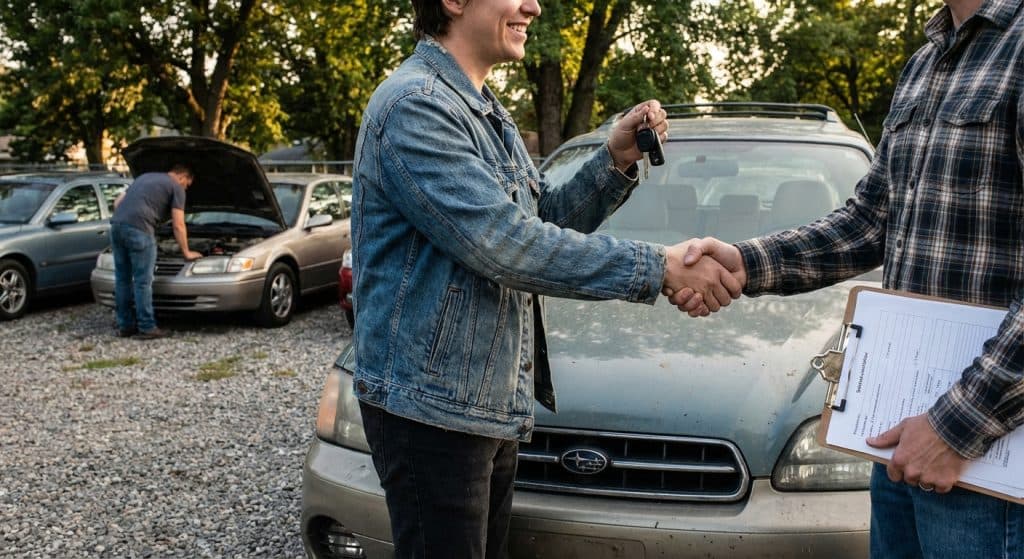
Buying a used car can save you thousands of dollars, but it can also cost you thousands if you pick the wrong one. The difference between a great deal and a money pit usually comes down to knowing what to look for before you hand over any cash.
This guide walks you through every stage of the process, from the moment you start shopping to the final check before you sign anything. Whether you’re buying from a dealership or a private seller, the same rules apply.
Where to Start Shopping for a Used Car
Most buyers start online, and that makes sense. You can filter by price, mileage, location, and model before you ever leave your house. Sites like AutoTrader, Cars.com, and Facebook Marketplace all have large inventories, and you can browse used cars by make right here to compare options side by side.
Private sellers often price lower than a dealership, but you get fewer protections. A dealership sale typically comes with some level of accountability, and certified pre-owned (CPO) programs offer additional warranty coverage and a documented inspection history. The trade-off is usually a higher sticker price. Know what matters more to you before you start calling anyone.
Reddit’s r/askcarpurchasing and r/cars communities are genuinely useful places to research specific models. Real owners share real problems, which can help you avoid buying a car with a known issue before you even get to the lot.
Ask the Right Questions Before You Go
Before you schedule a viewing, ask the seller a few key things. How long have they owned it? Why are they selling? Has it been in any accidents? Does it have a clean title? These questions aren’t rude, they’re expected. A seller who gets defensive about basic questions is already a yellow flag.
Ask specifically about recent repairs and any ongoing issues. A good seller will tell you the brakes were just done or that the A/C needs a recharge. That kind of honesty actually builds trust. Silence or vague answers about the car’s history are worth paying attention to.
If you’re buying from a dealership, ask whether the car comes with a vehicle history report and what the inspection process looked like before it hit the lot. Many dealers will share this information upfront. If they won’t, you can pull your own.
Read the Window Sticker and Pull the Vehicle History
On a dealership lot, the window sticker tells you the asking price and sometimes basic specs, but the vehicle history report is what actually matters. A history report from a service like Carfax or AutoCheck shows you accident records, previous owners, title status, and odometer readings over time.
The vehicle identification number is the key to all of this. Every car has a unique VIN, a 17-character code usually visible through the windshield on the driver’s side dash. You can run a free VIN lookup to pull basic details before you spend money on a full report. Cross-check the VIN on the door jamb and the dashboard to make sure they match. Mismatched VINs are a serious red flag.
A history report won’t catch everything, especially cash repairs that were never documented. But it will show you patterns. Multiple owners in a short time, salvage titles, or odometer discrepancies are all things you want to know about before you invest another minute.
Inspect the Vehicle Carefully Before the Test Drive
A proper walk-around takes about 20 minutes if you do it right. Don’t rush it. This is where you catch the problems the listing photos conveniently left out.
Start outside. Check the body panels for mismatched paint, rippled surfaces, or uneven gaps between panels. These can signal previous collision repair. Look along the roofline and down the lower panels for rust, paying particular attention to the wheel wells, door bottoms, and frame rails underneath. Surface rust on an older car isn’t always a dealbreaker, but structural rust is.
Check all the glass for chips and cracks. Look at the tires for uneven wear, which can point to alignment or suspension issues. Pop the trunk and check for water stains or a damp smell, both signs of a leak.
Under the hood, look for:
- Oil that’s dark brown or black (normal) versus grey or foamy, which can indicate coolant mixing with oil
- Coolant that’s clean and the right color for the system, not brown or rusty
- Any visible cracks in hoses or belts
- Stains or residue around the engine that suggest an oil or fluid leak
Get down and look under the car too. Fresh fluid spots on the ground beneath the engine bay or transmission are worth investigating before you go any further.
Take It for a Proper Test Drive
A test drive isn’t just a formality. It’s one of your most important diagnostic tools. Plan for at least 20 to 30 minutes, and make sure the route includes highway speeds, surface streets, and ideally a parking lot for slow maneuvers.
When you first start the car cold, listen for any knocking, rattling, or ticking from the engine. These sounds often disappear once the engine warms up, so catching them early matters. On the highway, pay attention to vibration through the steering wheel and whether the car tracks straight without you correcting it.
Test every feature during the test drive: windows, mirrors, air conditioning, heat, infotainment, lights, and all the driver assist features if the car has them. Used cars get sold with broken features all the time. What looks minor in the moment can turn into an annoying repair.
Hard braking in a safe area will tell you a lot. The car should stop straight, without pulling to one side. Any grinding, pulsing, or squealing from the brakes deserves a closer look.
Take It to Your Mechanic
This step is non-negotiable. Have an independent mechanic inspect the car before you buy it. Not the dealership’s service department. Not a friend who “knows a lot about cars.” A licensed, independent mechanic with no stake in the sale.
A pre-purchase inspection typically costs between $100 and $200, and it can save you from a $3,000 repair you didn’t see coming. Consumer Reports recommends looking for shops with ASE or AAA certification, especially if you’re going somewhere new. These programs require garages to meet specific quality standards.
A good pre-purchase inspection covers the engine, transmission, brakes, suspension, exhaust, and all the major fluid systems. The mechanic will also put it on a lift and properly inspect the undercarriage, which is where a lot of hidden damage hides. Ask for a written report so you have documentation.
If the seller won’t let you take it to a mechanic for an independent inspection, walk away. That resistance is telling you something important.
Think Carefully About Mileage
People obsess over mileage, but it’s only one piece of the picture. A car with 120,000 miles that’s been properly maintained will often outlast a 60,000-mile car that’s been neglected. Maintenance history matters as much as the number on the odometer.
That said, mileage does affect wear on components like the timing belt, water pump, and suspension parts. Generally speaking, average driving adds up to about 12,000 to 15,000 miles per year in the US. A car that’s significantly above or below that average for its age is worth understanding in context. High highway miles are typically easier on a car than the same number of city miles.
Check the history report for odometer readings at different points in the car’s life. If the numbers don’t track logically over time, that’s a problem worth investigating.
Understand What You’re Paying Before You Sign
Once the inspection clears and you’re ready to talk money, do your homework on fair market value. Tools like Kelley Blue Book and Edmunds give you a realistic price range based on condition, mileage, and location.
If you’re financing, run the numbers through a car loan calculator so you know your monthly payment before you sit down with anyone. Dealers often focus conversations on the monthly payment rather than the total price, and that can obscure how much you’re actually paying. Know your total cost first.
Factor in costs beyond the purchase price too. Registration, taxes, insurance, and any immediate repairs the inspection flagged should all be part of your calculation. Used cars sometimes need tires, brakes, or other basic work shortly after purchase. Price that in before you make an offer.
Your Used Car Buying Checklist
Before you finalize anything, run through this checklist to make sure you haven’t skipped anything important:
- Pulled the VIN and confirmed it matches on the dash and door jamb
- Reviewed a vehicle history report for accidents, title issues, and odometer records
- Checked for red flags like salvage title, multiple short-term owners, or undisclosed damage
- Done a thorough physical inspection including the body, undercarriage, and engine bay
- Completed a full test drive covering city and highway conditions
- Had an independent mechanic complete a pre-purchase inspection
- Confirmed the total cost including taxes, fees, and near-term repairs
- Checked for open recalls through the NHTSA recalls database
Used cars can be a genuinely smart buy when you do the work upfront. The process feels like a lot, but most of it takes just a few hours spread across a couple of days. A used vehicle that checks every box is out there. Taking shortcuts is usually how buyers end up with the ones that don’t.
Start with the VIN. Use our free VIN lookup tool to check the basics on any car you’re seriously considering, then go from there. The more you know before you inspect and test drive it in person, the better position you’re in to make a confident decision.
Was this helpful?
Put it to work. Research your next car or browse our top gear picks.