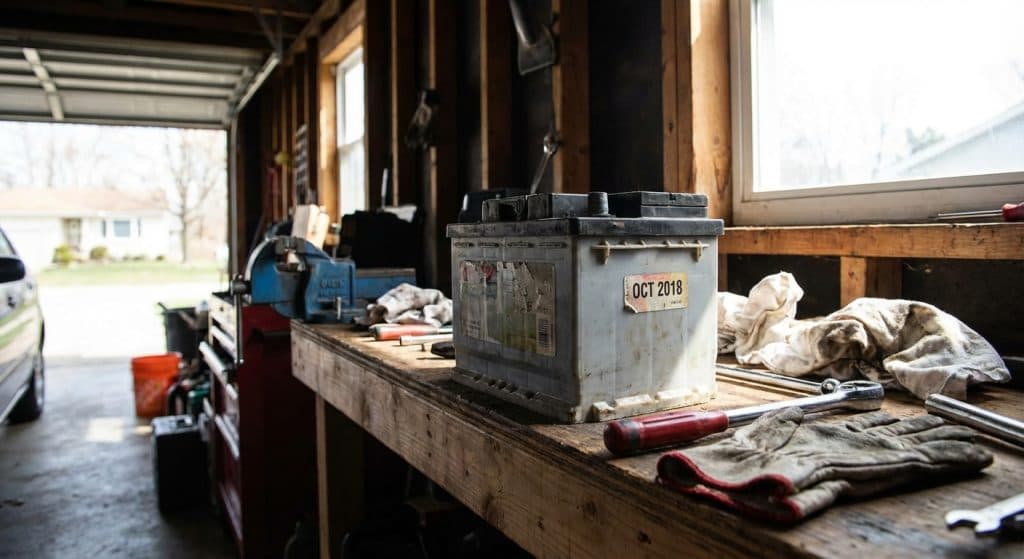
Your car battery can die without much warning, and if you’re buying a used vehicle, you might inherit one that’s already on its last legs. Knowing how long do car batteries last, and what shortens that lifespan, can save you from a dead car in a parking lot at the worst possible time.
Average Vehicle Battery Life
Most car batteries last somewhere between three to five years. That’s the general consensus from AAA, Interstate Batteries, and most auto repair shops. Some batteries push past that mark, especially if the vehicle is well-maintained and driven regularly. Others don’t make it to three years at all.
How long a car battery lasts from new really depends on how the vehicle gets used. A battery in a car that sits in a driveway all winter will age differently than one in a daily driver racking up highway miles. Short trips are actually harder on a battery than long ones, because the alternator doesn’t get enough time to fully recharge what the starter motor used up.
If you’re buying a used car and the original battery is still in it, ask when it was replaced. If the seller doesn’t know, check the sticker on the battery itself. Most manufacturers stamp the month and year on a small label on top. Anything past three years old deserves a free test at most auto parts stores before you commit to buying.
Factors That Decrease Car Battery Life
Not all batteries age the same way. A handful of specific conditions can drain a battery faster than normal, and if you’re shopping used cars, some of these might already be working against you.
Extreme temperatures are the biggest enemy. Heat speeds up the chemical reaction inside the battery, which sounds good until it causes internal corrosion. Cold weather, on the other hand, thickens engine oil and forces the battery to work harder to crank the engine. If you live somewhere with brutal winters or blistering summers, plan for the shorter end of that three-to-five-year range.
Short trips and infrequent driving are harder on a car battery than most people realize. Every time you start the engine, you pull a significant charge from the battery. If you’re only driving a few miles before shutting the car off, the alternator barely has time to replenish that charge. Do that enough times, and the battery slowly loses capacity.
Parasitic drain is another culprit. This happens when something keeps drawing power after you turn the car off. A faulty alarm system, a glove box light that won’t shut off, or aftermarket electronics wired in poorly can quietly drain a battery overnight. If a used vehicle you’re looking at has a lot of aftermarket accessories, that’s worth asking about.
Leaving electronics running with the engine off will shorten battery life quickly. A lot of buyers ask how long a car battery lasts with the radio on, and the honest answer is: it depends on the battery’s age and charge level, but you’re typically looking at one to two hours before you risk not being able to start the car. The same goes for leaving lights or phone chargers plugged in.
How long a car battery lasts without charging or with the engine off is also tied to overall battery health. A new, healthy battery can hold a charge for weeks in a parked vehicle. An older one might drop enough in a few days to make starting difficult.
Car Battery Warning Signs
Batteries rarely fail completely without some early signals. The problem is those signals are easy to ignore or misread as something else. Here’s what to watch for.
- Slow cranking on startup. If the engine turns over sluggishly before it catches, the battery is struggling to deliver full power. This is especially noticeable on cold mornings.
- Dim headlights or interior lights. Your electrical system draws from the battery even when idling. Noticeably dim lights often point to a weak battery or a failing alternator.
- Battery warning light on the dashboard. This light can indicate a problem with the battery itself, the alternator, or the charging system. Don’t ignore it.
- Swollen battery case. If the sides of the battery look bloated or warped, excessive heat has damaged it internally. A swollen battery needs to be replaced immediately.
- Rotten egg smell. A sulfur smell near the battery means it’s leaking gas, which is both a safety issue and a sign the battery is done.
- Corrosion on the terminals. A little white or blue buildup on the posts is common, but heavy corrosion affects the connection and can mimic battery problems even when the battery itself is still okay.
If you’re test driving a used vehicle and notice any of these signs, factor in the cost of a replacement battery. A new car battery typically runs anywhere from $100 to $250 depending on the vehicle, so it’s not a deal-breaker but it’s a real negotiating point.
How Hybrid and Electric Vehicle Batteries Compare
Hybrid and electric vehicles add another layer to this conversation. They actually have two batteries: the traditional 12-volt car battery that powers accessories and starts systems, and the high-voltage traction battery that drives the electric motor.
The 12-volt car battery in a hybrid typically follows the same three-to-five-year timeline as in a conventional vehicle, sometimes a bit shorter because the vehicle’s start-stop system cycles it more frequently.
The high-voltage traction battery is a different story. According to data from Recharged, electric vehicle battery packs typically degrade at around 1.8% capacity per year, putting realistic lifespan at 12 to 15 years for most modern EVs. That’s a wide range, and it’s influenced by charging habits, temperature, and how often the pack gets charged to 100% or depleted completely.
If you’re shopping for a used hybrid or EV, use our free VIN lookup tool to pull the vehicle history and check for any battery-related service records or recalls before you buy.
Getting More Life From Your Car Battery
You can’t stop a battery from aging, but you can slow it down with a few habits.
Drive your vehicle regularly and take longer trips when you can. Short errands back-to-back are harder on a battery than one longer drive. If you have a car that sits for weeks at a time, a trickle charger or battery tender will keep it healthy without overcharging.
Have your battery tested annually once it hits the three-year mark. Most auto parts stores will do this for free, and your mechanic can do it during a routine oil change. Catching a weakening battery before it fails completely means you get to choose when to replace it, not the other way around.
Make sure the battery terminals are clean and tight. Corroded terminals create resistance in the connection, which forces the charging system to work harder and shortens battery life over time.
What to Do When Buying a Used Car
Before finalizing any used car purchase, have a qualified technician inspect the battery and charging system. A load test will tell you whether the battery still holds a proper charge under real-world demand, not just sitting at rest. An alternator that’s not charging correctly will kill even a brand-new battery in short order.
If the battery is original to the vehicle and the car is more than three years old, assume you’ll likely need to replace it within the next year or two. Price that into your offer. You can browse used cars by make on our site and cross-reference known reliability issues for specific models before you go to a lot.
And if you’re working out monthly payments, run the numbers through our car loan calculator so a surprise battery replacement doesn’t throw off your first month’s budget.
Related Resources
How to Disconnect and Connect a Car Battery
Replacing a car battery is one of the easier DIY jobs on most vehicles. Always disconnect the negative terminal first and reconnect it last. This prevents accidental short circuits while you’re working. Some vehicles will reset their radio presets or require a window recalibration after the battery is disconnected, so check your owner’s manual before you start.
Battery Light On In Car: What It Means
The battery warning light doesn’t always mean the battery itself has failed. It means the charging system isn’t operating correctly. The problem could be a dying battery, a failing alternator, a loose belt, or a corroded connection. Get it diagnosed quickly because driving with a charging system fault can leave you stranded with no warning.
How To Jump Start A Car With Cables
If your car battery dies, jump starting is a temporary fix. Connect red to red (positive to positive) and black to a ground point on the dead car, not the negative terminal of the dead battery. Run the good vehicle for a few minutes before trying to start the dead one. Once it starts, drive for at least 20 to 30 minutes to let the alternator recharge the vehicle battery properly. If it won’t hold a charge after that, the battery needs to be replaced, not jumped again.
The Bottom Line
Most car batteries give you three to five years before they start causing problems. The exact number depends on your climate, your driving habits, and how well the rest of the charging system is working. If you’re buying a used vehicle, the battery’s age is one of the first things worth checking. A quick test at any auto parts store takes about five minutes and could save you from a roadside headache.
Start your research with a free VIN lookup to check for any open recalls related to the electrical system before you hand over any money. A used car with a solid history is worth far more than one with question marks under the hood.
Was this helpful?
Put it to work. Research your next car or browse our top gear picks.