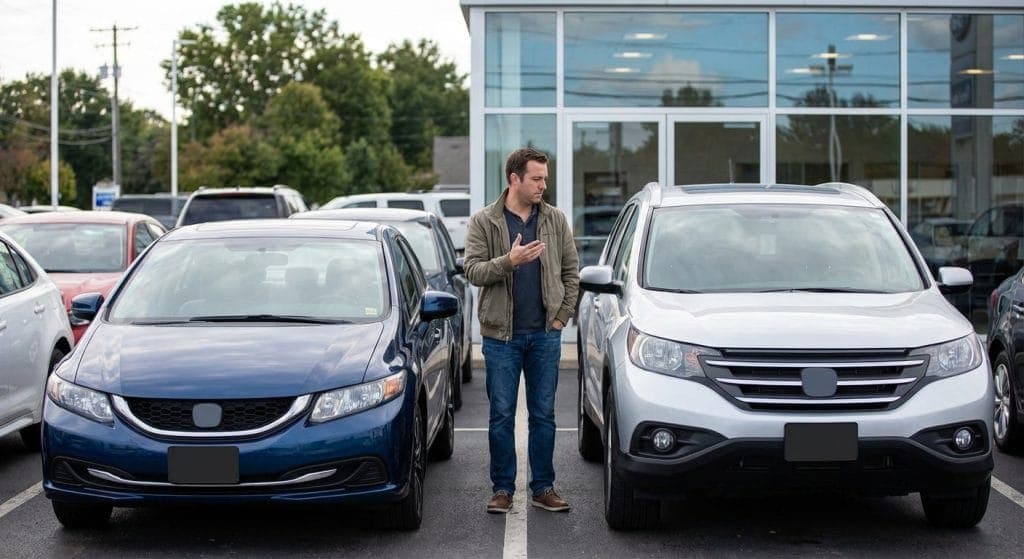
You’re shopping for a used car and the dealership keeps pushing you toward their “certified pre-owned” inventory. The price is higher, but they’re selling it hard. So what’s the actual difference, and is it worth the extra money?
The honest answer is: it depends. CPO and standard used cars both have real advantages, and understanding what separates them will save you from paying for something you don’t need, or skipping protection you actually do.
What Is Certified Pre-Owned?
A certified pre-owned vehicle isn’t just a used car with a fancy label. It’s a pre-owned car that has gone through a formal inspection and certification process run by either the manufacturer or the dealership. The result is a used vehicle that comes with some level of warranty coverage and a documented history of checks.
Manufacturer CPO programs, like those from Toyota, Honda, BMW, or Ford, tend to be the most valuable. These programs have strict eligibility rules. A car typically has to be under a certain age (often five to six years) and under a specific mileage limit (usually around 80,000 miles) just to qualify. Then it goes through a multi-point inspection, sometimes covering 100 to 200 individual checkpoints.
Dealer CPO programs exist too, but they’re not backed by the manufacturer. They can vary wildly in quality. Always ask who’s backing the certification before you assume it means the same thing as a factory program.
What Is a Certified Pre-Owned Car, Really?
A lot of buyers ask what “certified pre-owned” actually means in practice. Simply put, a certified pre-owned car is a used car that a manufacturer or dealer has vetted, inspected, and agreed to back with some type of warranty. It’s their way of saying, “We’ve checked this one out and we’ll stand behind it.”
That said, the word “certified” doesn’t mean perfect. It means the car passed a set of standards at the time of inspection. Mechanical issues can still develop after you drive it off the lot, which is exactly why the warranty matters so much.
How Do Cars Become Certified?
The process varies by manufacturer, but there’s a general pattern. First, the car has to meet age and mileage requirements. Then a technician runs through a detailed multi-point inspection covering the engine, transmission, brakes, tires, interior, electronics, and more. If anything fails the standard, the dealer either fixes it or the car doesn’t get certified.
The vehicle’s history also gets reviewed. A car with a salvage title or serious accident history typically won’t qualify for a manufacturer CPO program. That’s one reason a CPO vehicle can feel like a safer buy than a random used car from a private seller.
Before buying any pre-owned car, run the VIN through our free VIN lookup tool to check for accidents, title issues, and odometer rollbacks. That applies to CPO and standard used cars equally.
CPO and Used Car Similarities
Here’s what a lot of people miss: a CPO car is still a used car. Someone owned it before you. It has miles on it. It may have minor wear and a history you can only partially reconstruct. The certification process doesn’t erase that reality.
Both a CPO vehicle and a standard used car can be excellent choices. Both can also turn into money pits if you skip due diligence. The certification adds a layer of protection, but it doesn’t replace a pre-purchase inspection by an independent mechanic. More on that below.
Used vs. CPO Peace of Mind
One of the biggest reasons buyers lean toward CPO is peace of mind. Buying a used car privately or from a no-frills dealer can feel like a gamble. With a CPO vehicle, you at least know someone with something to lose has looked it over carefully.
That peace of mind is real, but it has a price. CPO cars typically cost more than comparable standard used cars, sometimes by a few thousand dollars. Whether that premium makes sense depends on how risk-tolerant you are, how reliable the model is on its own, and what the warranty actually covers.
A standard used car on a reliable model with a clean history can give you similar peace of mind at a lower price point, especially if you pay a mechanic $100 to $150 for an independent inspection before you buy.
Used Cars vs. Certified Pre-Owned Vehicle Warranties
This is where the real difference lives. When you buy a certified pre-owned vehicle, it comes with a warranty. A standard used car typically comes with nothing, unless it’s still covered by the original factory warranty.
CPO warranties vary a lot. A manufacturer’s CPO program might offer a powertrain warranty of five to seven years or 100,000 miles from the original sale date. Some include bumper-to-bumper coverage for a shorter window on top of that. These are genuine warranties backed by the automaker, not an aftermarket product.
Standard used cars come with no warranty coverage by default. You can sometimes buy extended warranties separately, but third-party extended warranties have a mixed reputation. They often come with exclusions, deductibles, and claim headaches that manufacturer CPO coverage doesn’t have.
If you’re comparing warranty coverage options, manufacturer CPO beats third-party extended warranties almost every time for ease of use and reliability of payout. Just make sure you read the CPO warranty terms before you sign anything, because coverage levels differ significantly between brands.
Warranty Coverage: What to Actually Look For
Not all CPO warranties are created equal. Here’s what to pay attention to when evaluating warranty coverage on any CPO car:
- Powertrain vs. bumper-to-bumper: Powertrain covers the engine, transmission, and drivetrain. Bumper-to-bumper covers almost everything. If a CPO only offers powertrain coverage, electrical and tech components are on you.
- Remaining vs. additional: Some CPO warranties are just the remaining factory warranty. Others add time on top of it. “Additional” is always better.
- Transferability: If you sell the car, does the warranty transfer to the next owner? That affects resale value.
- Deductibles: Some CPO warranties charge a deductible per repair visit. Even $200 adds up fast if you’re using the warranty often.
Benefits of a CPO Car
Beyond the warranty, a CPO car often comes with other perks depending on the brand. Roadside assistance is common. Some manufacturers throw in free scheduled maintenance for a year or two. Others offer a short window where you can return the vehicle if you’re not satisfied.
Financing rates on CPO vehicles can also be lower than on standard used cars. Manufacturers sometimes offer special APR rates on CPO inventory to move it, similar to what they do with new car incentives. If you’re planning to finance, check the current CPO financing offers from the manufacturer before you assume a standard used car loan is the only option. Use our car loan calculator to see how different rates affect your monthly payment.
Are Certified Pre-Owned Cars Reliable?
This is one of the most common questions buyers ask, and the answer is: it depends on the brand, not just the certification. A certified pre-owned Honda Civic is likely to be more reliable than a certified pre-owned car from a brand known for poor long-term quality, because the CPO process doesn’t change the model’s underlying reliability track record.
Consumer Reports has long recommended prioritizing reliability scores when buying any pre-owned vehicle. A CPO vehicle built on a reliable platform is a great choice. A CPO vehicle on a model with a weak reliability history is still a risky used car, warranty or not.
Check reliability data for any model you’re considering, CPO or otherwise. Then factor in the warranty as secondary protection, not your primary reason to buy.
Used Car Advantages
Let’s be straight: buying a used car outside of a CPO program has some real advantages that often get overlooked.
The biggest one is price. A standard used car typically costs less than a comparable CPO car, sometimes by a meaningful amount. On a $15,000 used car, saving $2,000 to $3,000 is significant. That money could cover several years of unexpected repairs before you’d break even on the CPO premium.
You also have more selection. The used car market is massive. CPO inventory is limited to what’s available through franchised dealerships at any given time, and only cars that passed the certification criteria. Standard pre-owned vehicles are available from private sellers, independent dealers, and auction channels, giving you far more options for the specific model and spec you want.
Private party purchases can save you the most money, though they come with zero warranty and more personal risk. A reliable model, a clean vehicle history report, and a pre-purchase inspection from an independent mechanic can close that gap considerably.
Advantages of Buying CPO
If you want a relatively recent, lower-mileage pre-owned car with documented oversight and a real warranty, buying a certified pre-owned vehicle makes a strong case. It’s especially appealing if you’re buying a luxury vehicle, where out-of-warranty repair costs are steep and the CPO premium is easier to justify.
CPO is also a good fit if you’re not comfortable evaluating a used car yourself, don’t have a trusted mechanic to do a pre-purchase inspection, or simply prefer knowing the car has been vetted before you handed over your money.
For buyers who want to browse used cars by make and compare CPO options side by side with standard used inventory, having a broad view of what’s available helps you see whether the CPO premium is worth it in your specific market.
A CPO car also tends to have lower mileage than the average used car at a similar age, since manufacturers cap mileage as part of the CPO qualification criteria. Lower mileage generally means more remaining life in wear components like brakes, tires, and timing belts, which matters when you’re planning to hold the car for several years.
What About CPO Outside the U.S.?
Buyers in markets like India and Delhi often ask about certified pre-owned vs used car options locally. The concept is the same, but manufacturer CPO programs vary by market. Some global brands run CPO programs in India through their authorized dealer networks, covering recent model years with structured inspection and limited warranties. The key advice is identical regardless of market: verify who’s backing the certification, read the warranty terms carefully, and always get an independent inspection before buying any pre-owned car.
Final Word
There’s no universal right answer between CPO and a standard used car. The better choice depends on your budget, your risk tolerance, and the specific model you’re buying.
If you’re looking at a high-reliability model with a clean history, a standard used car with an independent inspection can be just as good a buy at a lower price. If you want warranty backing, lower mileage guarantees, and the comfort of a manufacturer standing behind the vehicle, a CPO vehicle is worth the premium.
What you should never do is skip the independent inspection just because a car is certified. Certification is a snapshot in time. Have a mechanic you trust look it over before you sign. Run the VIN through our free VIN lookup tool to check the history. And if you’re financing, compare rates carefully using our car loan calculator before you commit to dealer financing.
The best pre-owned car isn’t necessarily the most certified one. It’s the one you’ve researched properly before you buy.
Was this helpful?
Put it to work. Research your next car or browse our top gear picks.