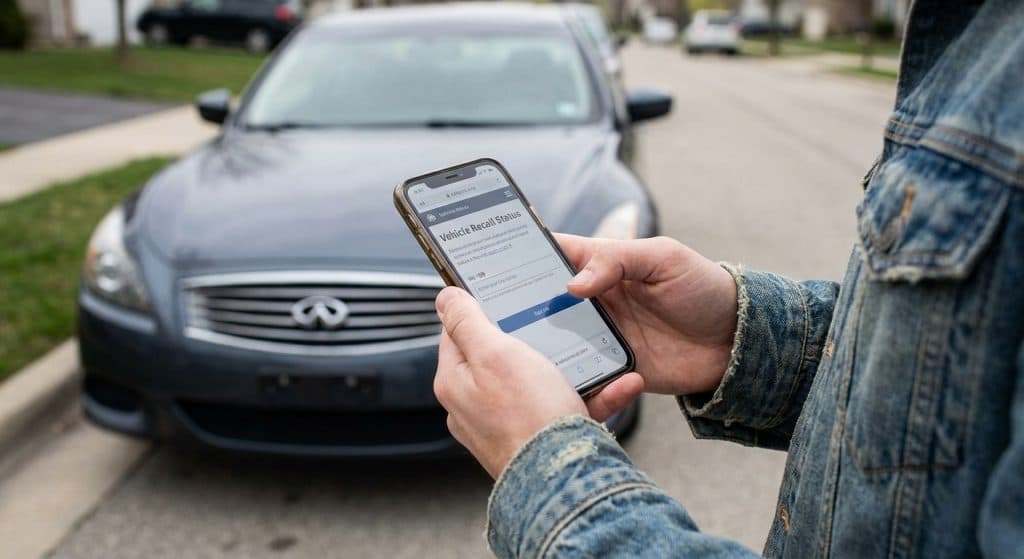
You could be driving a recalled vehicle right now and have no idea. That’s not an exaggeration. Millions of cars on the road have open recalls that owners never got around to fixing, and some of those recalls involve serious safety issues.
The good news? Checking is completely free, takes about two minutes, and you don’t need to register anywhere or hand over your email address. Here’s everything you need to know.
How a Recall Actually Happens: From Complaints to Action
A recall doesn’t start in a boardroom. It usually starts with drivers filing complaints, often through NHTSA, the National Highway Traffic Safety Administration. NHTSA monitors those complaints, investigates patterns, and when a defect threatens vehicle safety, it can order a recall or pressure a manufacturer to issue one voluntarily.
Once a recall is issued, manufacturers are required to notify owners by mail. You’ll get a recall notice explaining what the problem is and what the fix involves. The repair is always free, done at a dealership or authorized service center. The catch is that a lot of people move, miss the letter, or just ignore it. That’s how recalled vehicles stay on the road for years.
NHTSA maintains a public database of every recall issued for motor vehicle safety going back decades. That database is what makes free recall checks possible.
How to Check for a Recall Free, Right Now
There are two main ways to look up recall information, and both are free. You can use your VIN or your license plate number.
Option 1: Check by VIN. Your VIN, short for vehicle identification number, is a unique 17-character code assigned to your specific car. You’ll find it on the lower left corner of your windshield, on your registration, or on your insurance card. Head to NHTSA.gov/recalls and enter your VIN. You’ll get a full list of any recalls tied to that exact vehicle.
Option 2: Check by license plate. If you don’t have your VIN handy, NHTSA also lets you search by license plate number. Just select your state, enter your plate, and you’ll see the same recall data. You can also use CheckToProtect.org, which pulls from the same NHTSA database and accepts both VINs and license plate numbers.
Either way, you’re pulling real federal data. No guesswork, no paywalls.
Checking a Used Car Before You Buy
This is where the recall check becomes especially important. Before buying a used car, you need to run the VIN through a recall database. A clean-looking car with low miles can still have an unresolved recall sitting on it, one that the previous owner never had fixed.
You’ve probably heard the phrase “show me the CARFAX.” That’s not bad advice, but a CARFAX report doesn’t always capture recall status accurately. The authoritative source is always NHTSA’s own database. Run the VIN there first, before you pay for anything else.
Our free VIN lookup tool is a good starting point when you’re researching a specific used vehicle. You can also browse used cars by make to compare your options before you commit to a specific listing.
And yes, always get an independent inspection before buying any used vehicle, regardless of what the recall check shows. A recall search tells you about known manufacturer defects. It doesn’t tell you about wear, accidents, or deferred maintenance.
What the Recall Check Actually Covers
When you run a VIN or license plate through NHTSA, you’ll get recall data on a few different categories:
- Motor vehicle recalls covering the car itself, including engine, brakes, airbags, fuel systems, steering, and more
- Equipment recalls for things like child car seats or tires that may have been sold with the vehicle
The search specifically flags open recalls, meaning recalls that haven’t been repaired yet. If a recall was already completed at a service center, it won’t show as open. That’s useful information. If the current owner claims they had a recall fixed, you can verify it through the VIN history.
Recall Q&A: Questions People Actually Ask
Can I check for recalls online for free?
Yes. NHTSA.gov/recalls and CheckToProtect.org both offer free recall lookup by VIN or license plate. No account needed, no fee. The recall data is federally maintained and publicly accessible by law.
Does a recall affect fuel systems?
It can. Fuel system recalls are among the more common vehicle recall categories. Issues like fuel pump failures, fuel line leaks, or problems with fuel delivery can all trigger a safety recall. When you check your VIN, any fuel-related recall will show up clearly with a description of the defect and the remedy.
What if my car’s recall involves refrigerant or the AC system?
AC and climate system issues, including refrigerant handling, occasionally appear in recall filings. If a manufacturer identifies a defect in how the system is sealed or how freon is managed, it can become a recall. Your NHTSA lookup will tell you if that applies to your specific vehicle.
What about traffic safety recalls related to driver assistance or display systems?
Yes, modern vehicles have seen a wave of recalls tied to software and driver-facing technology. If you’ve got a newer car with advanced driver assistance features or display screens, it’s worth checking NHTSA regularly. Recall filings for tech-related issues have increased significantly as vehicles have become more software-dependent. NHTSA’s traffic safety mandate covers these just like any mechanical defect.
Can I look up recalls for any make or model?
Absolutely. NHTSA’s database covers all makes. You can search by VIN for a specific car, or browse recalls by make and model year to see what issues have affected a particular vehicle line. This is especially useful when you’re shopping and want to understand a model’s recall history before you even find a specific listing.
Latest Recalls and Staying Up to Date
Recalls get issued year-round. A vehicle that was clear six months ago might have a new recall filed against it today. NHTSA publishes new recall filings regularly, and you can sign up for email alerts on their site tied to your specific VINs. It’s one of those small steps that actually pays off.
If you own multiple vehicles, it’s worth checking all their VINs. Even a car you’ve owned for years might have an outstanding recall you never knew about.
Recalls by Make: What to Watch For
Some manufacturers have historically had higher recall volumes than others, but that’s not always a sign of poor quality. High-volume automakers produce more vehicles, which means more exposure to statistical defects. A recall can also reflect a manufacturer being proactive about vehicle safety rather than waiting for accidents to happen.
That said, certain model years and platforms do accumulate more recall activity. When you’re shopping for a used car, it helps to research the specific model year you’re considering. NHTSA’s site lets you search by make and model if you want to see a full recall history before you even find a specific car to check.
See What Recall Repairs Actually Cost You
Here’s the part people sometimes miss: recall repairs are always free. You pay nothing. The manufacturer covers the cost, whether that’s parts, labor, or both. If someone tries to charge you for a recall repair, that’s a red flag.
What’s not free is the other stuff that often comes up during a recall service visit. The shop might flag unrelated issues and quote you for additional work. That’s normal, but know that you’re only obligated to pay for work outside the recall scope. Use our car loan calculator if you’re budgeting for a used car purchase and want to factor in likely maintenance costs alongside your financing.
We Protect Your Privacy
When you use our free VIN lookup tool, we don’t sell your data, share your search history, or tie your query to your personal information. You’re here to research a car, not to become a marketing target. The VIN you enter is used to pull vehicle data, nothing more.
NHTSA operates the same way. Their recall lookup is a public service, and they’re not in the business of monetizing your searches.
Find Service Centers Near You
Once you confirm a recall, getting it fixed is straightforward. Contact the manufacturer’s authorized service network, typically the brand’s dealerships in your area. They’re required to perform the recall repair at no cost to you. If you’re not sure which locations are authorized, the recall notice itself usually includes contact information, and NHTSA’s site links to manufacturer resources as well.
Don’t wait on this. Some recalls involve parts that can be hard to source if you delay too long, and others carry interim safety guidance that you should follow until the fix is done.
Run your VIN today. It takes two minutes, it’s free, and it could matter a lot more than you’d expect.
Was this helpful?
Put it to work. Research your next car or browse our top gear picks.