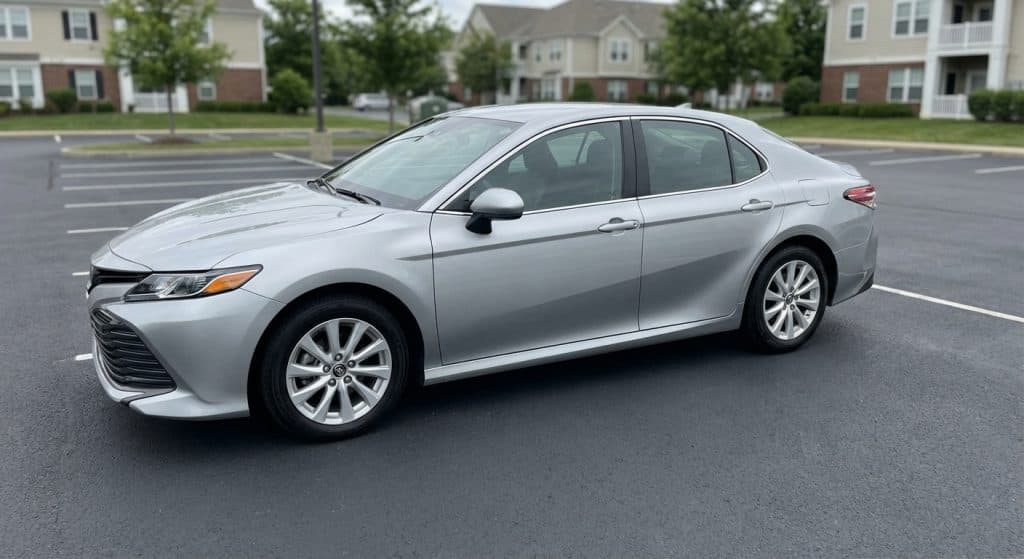
The Toyota Camry is one of the safest used car bets you can make. It’s been the best-selling sedan in America for most of the past two decades, and for good reason. If you want a reliable, low-drama used car that won’t drain your savings account, a used Camry deserves serious attention. This guide is for everyday buyers who want to know exactly which Toyota Camry years to target, which ones to skip, and what to watch for before handing over any money.
The Best Toyota Camry Years to Buy Used
Not all Camrys are created equal. Toyota has built this sedan across several generations, and some model year ranges are dramatically better than others. Here’s how to find the sweet spot.
Most Affordable Used Camry: 5th Generation (2002–2006)
These are the oldest Camrys most buyers would consider, and they can be genuinely good used car purchases if you know what to look for. The 2006 model year is the standout in this generation. Toyota sorted out most of the early production problems by then, and you’ll find a lot of high-mileage examples still running strong.
That said, the 2002, 2003, and 2005 model years drew significantly higher owner complaints compared to other Camry years in this range, according to data tracked by CoPilot. If you’re shopping this era, the 2004 and 2006 are the safer picks. These older Camrys are typically the most affordable entry point into Toyota ownership, but budget for some deferred maintenance on anything past 150,000 miles.
Most Versatile Used Camry: 6th Generation (2007–2011)
This generation is where things get interesting. The 2007 Toyota Camry carries the most overall complaints in this generation, and CarBuzz rates the 2008 as even worse due to higher repair costs and problems appearing at lower mileage. The 2009 gasoline Camry also has a known oil consumption issue that can cause serious engine wear if it wasn’t addressed. Unless the previous owner has paperwork showing they dealt with it, approach 2009 V6 examples with real caution.
The 2010 and 2011 model years are where this generation gets good. Toyota had corrected most of the earlier issues by then, and these Camrys offer a solid blend of comfort, space, and dependability. If you want a used Camry that won’t cost you sleep, the 2010 or 2011 is one of the best used options in this price range.
On the hybrid side, the 2009 Camry Hybrid is surprisingly reliable compared to its gasoline sibling, according to CarBuzz. If fuel economy is a priority and you’re comfortable with hybrid ownership, it’s worth a closer look.
Most Tech-Focused Used Camry: 7th Generation (2012–2014)
Toyota redesigned the Camry for 2012, and this generation brought more refinement and better interior quality. The 2012 and 2013 model years got off to a decent start, though some owners reported four-cylinder hesitation and transmission shudder on early builds. Toyota issued technical service bulletins (TSBs) to address transmission behavior on these years, so ask any seller whether those updates were applied.
The 2014 model year is considered one of the best years for this generation. By that point, Toyota had ironed out the rough edges, and the 2014 Camry delivers the kind of quiet, consistent performance that made this sedan famous. If you’re targeting this generation of Toyota Camry years, aim for 2014 when inventory allows.
Most Dynamic Used Camry: 7th Generation Refresh (2015–2017)
Toyota refreshed the seventh-generation Camry in 2015 with updated styling, improved suspension tuning, and a better infotainment setup. These Camrys feel noticeably sharper to drive than earlier examples, and the 2015, 2016, and 2017 model years consistently rank among the best used Toyota Camry years across reliability surveys.
The 2016 model year in particular shows up repeatedly as one of the best years for overall owner satisfaction. Fewer complaints, lower repair costs, and a good spread of available features. The hybrid version from this era is also a strong pick if you’re commuting heavily and want better fuel economy without sacrificing Toyota’s legendary longevity.
You can browse used Camrys by model year to see what’s currently available near you and compare trims side by side.
Reliability and Common Issues
The Toyota Camry’s reputation for reliability is earned, but it’s not bulletproof. Here are the real-world problems you need to know about before buying any used Camry.
Oil consumption (2009–2011 V6 and some four-cylinders): This is the most documented issue across this era. Some engines consumed oil between changes at a rate Toyota eventually acknowledged. If you’re looking at one of these, check the oil level before the test drive and ask for service records showing regular oil changes.
Transmission shudder (2012–2014): The six-speed automatic in early seventh-generation Camrys sometimes exhibited a shudder or hesitation at light throttle. Toyota released TSBs covering a fluid update and software reflash. Confirm with any seller that this was done.
Power steering issues (2007–2008): Electric power steering complaints were higher in this model year range than in other Camry generations. On a test drive, pay attention to any strange feedback or inconsistency in the steering feel.
Brake wear (multiple years): Toyota Camrys can go through brake pads and rotors faster than some competitors, particularly on the front axle. Budget for a brake inspection as part of any pre-purchase check.
NHTSA has documented recalls across multiple Toyota Camry model years, covering items like airbags under the Takata recall, fuel system components, and seat belt hardware. Always check NHTSA.gov for the specific VIN you’re considering to confirm all recalls have been completed.
What to Inspect Before You Buy
Always get an independent mechanic to inspect any used car before you buy. This isn’t optional on older Camrys, especially anything past 100,000 miles. Here’s what to focus on specifically.
- Oil level and condition: Check it cold before the engine is started. Milky or sludgy oil is a red flag. Low oil without an explanation suggests the consumption problem was never fixed.
- Underbody rust: Camrys from northern states or Canadian markets can show significant rust on the subframe and rear suspension components. Look underneath before you go further.
- Transmission behavior: During the test drive, pay attention to how the transmission shifts at low speed and during light acceleration. Any shudder, delay, or clunk deserves follow-up.
- Interior wear: High-mileage Camrys are often ex-fleet or rideshare vehicles. Heavy wear on the driver’s seat bolster and steering wheel can tell you more than the odometer.
Pull the vehicle history before your inspection appointment. Use the free VIN lookup tool to check for reported accidents, title issues, and ownership changes. It takes two minutes and can save you thousands.
Fair Price Range
Used Camry prices move with mileage, model year, and trim level, so treat any number as a starting point rather than gospel. Here’s what you’ll typically see.
Fifth-generation Camrys (2002–2006) typically trade in the low thousands, depending on condition and mileage. These are often high-mileage examples, and price reflects that. Sixth-generation Camrys (2007–2011) in decent condition typically land in the mid-to-upper single digits, with lower-mileage examples and the hybrid trim pushing toward the higher end of that range.
Seventh-generation Camrys (2012–2017) command more because they’re newer and more in demand. A clean 2014 or 2016 with reasonable mileage will typically cost more than the older generations, but you’re also getting a more modern car with better safety features and lower long-term risk. Use a car loan calculator to figure out what monthly payment works for your budget before you start negotiating.
Trim level matters a lot here. SE and XSE trims attract a premium over LE models, even with identical mileage. Decide whether the sport-tuned suspension and cosmetic upgrades are worth it for how you’ll actually use the car.
Is the Toyota Camry Worth Buying Used?
Yes, and for most buyers, it’s one of the best used car decisions you can make. Toyota built these sedans to absorb high mileage without major drama, and parts are cheap and widely available. A mechanic in any city knows this car inside and out.
The best used Camry years to target are the 2014 and 2016 model years if your budget allows, followed by the 2010 and 2011 if you want to spend less. Avoid the 2007, 2008, and 2009 gasoline versions unless you can verify the known issues were resolved by the previous owner.
The Toyota Camry is best for commuters who want reliability over excitement, families who need a practical four-door sedan, and first-time buyers who don’t want to gamble on an unknown brand. If you want a sporty driving experience or the latest tech, there are better options. But if you want a used car that starts every morning and doesn’t surprise you with big repair bills, a Camry is hard to argue against.
Before you commit to any Toyota Camry, pull its history. Run a free VIN check on this Camry to see reported accidents, title issues, and ownership history.
Once you’ve found a Camry that looks right on paper, confirmed its history, and had it inspected by an independent mechanic, you’ll have done everything a smart buyer can do. The Camry will handle the rest.
Was this helpful?
Put it to work. Research your next car or browse our top gear picks.