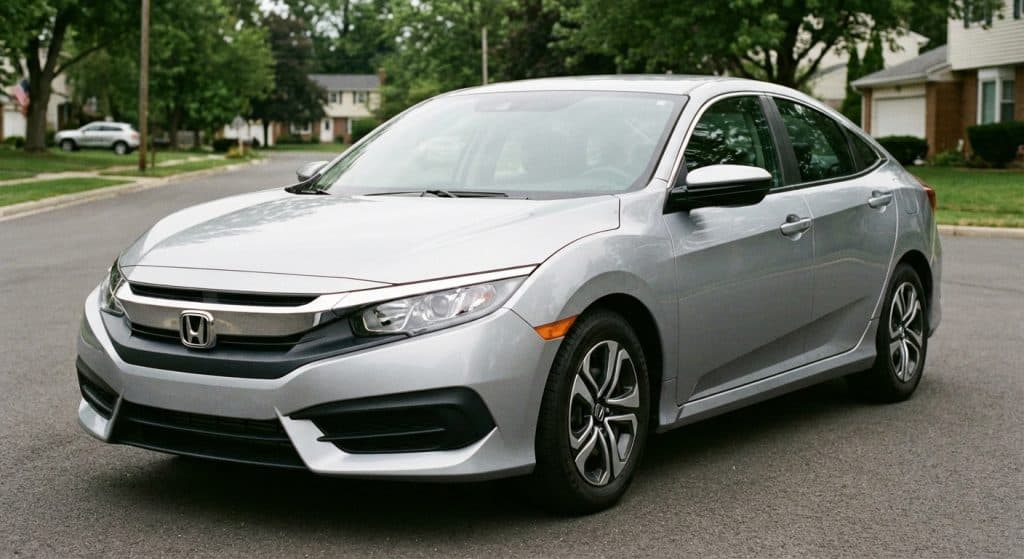
The Honda Civic is one of the most dependable compact cars ever made, and the used car market is flooded with them. That’s great news for buyers, but it also means you need to know which model year to target and which ones to skip entirely.
This guide is for anyone shopping for a reliable, affordable used Honda Civic, whether you’re a first-time buyer, a commuter looking to cut costs, or a parent buying a sensible second car. You’ll get the good, the bad, and the specific years worth your money.
Best Honda Civic Years (Most Reliable)
Honda Civic Best Years Reliability Snapshot
Not all Civics are created equal. The Honda Civic has gone through ten generations, and reliability varies more than most people expect. The generations that consistently earn high marks are the ninth generation (2012 to 2015) and the tenth generation (2016 to 2021), with the 2022 model year continuing that streak.
The 2013, 2014, and 2017 model years are often cited as standout picks. They combine a proven engine lineup, manageable repair costs, and strong long-term reliability scores. If you want a civic sedan that will genuinely go the distance, these are your sweet spots.
The tenth-generation Honda Civic, which ran from 2016 to 2021, brought a major redesign that lifted the car’s appeal significantly. Better interior quality, a more engaging drive, and stronger reliability than the problematic eighth-generation models. The 2017 and 2018 Honda Civic years are particularly good used car buys in this range.
The 2022 Honda Civic kicked off the eleventh generation with a cleaner design and updated tech. Early owner feedback on the 2022 model year has been positive, and it’s now entering the used market at prices that are starting to make sense. If your budget stretches that far, the 2022 is genuinely one of the best Honda Civic options available right now.
Worst Honda Civic Years to Avoid
Honda Civic Worst Years (Least Reliable)
The eighth-generation Honda Civic (2006 to 2011) has a mixed record. Some model years in this range struggled with transmission problems, paint peeling, and HVAC failures. The air conditioning system is a repeat offender across multiple eighth-gen Civics, and owners have reported costly repairs on units that should have lasted longer.
The 2001 to 2005 seventh-generation cars have age working against them now, but even in their prime, the automatic transmission was a known weak point. According to reporting from CarBuzz and cited by Autoblog, defective materials caused the transmission fluid to burn off before the unit outright failed. Shifting or slipping problems were often the first warning sign. If you’re considering a seventh-gen civic, a manual transmission model is the smarter call.
The 2016 1.5T model year brought a turbocharged engine that some owners found problematic in cold climates, with reports of oil dilution from gasoline mixing with engine oil. Honda issued a technical service bulletin on this, though it fell short of a full recall. It’s a known issue worth discussing with any mechanic before you buy.
Honda Civic Common Problems and Recalls
Even the most reliable Civics have a few things you need to check before handing over any money.
Takata airbag recall: This is the big one. The Takata airbag inflator recall affected millions of vehicles across dozens of brands, and Honda Civics were heavily included. Civics from roughly 2001 through 2015 may be affected. A defective airbag inflator can rupture and send metal fragments into the cabin during a crash. This is a safety-critical recall, not a minor inconvenience. Check the VIN against NHTSA’s database at nhtsa.gov before you buy any older Civic. If the airbag recall hasn’t been completed, walk away or make completion a condition of sale.
CVT transmission recall: Honda issued a recall in 2015 covering certain 2014 and 2015 Honda Civic models equipped with a continuously variable transmission. The issue involved a drive pulley shaft that could break, potentially causing a loss of power or ability to move the vehicle. If you’re looking at a 2015 Honda Civic with a CVT, confirm this recall was addressed.
Transmission wear (7th gen): As mentioned, seventh-generation automatics are prone to early failure. A pre-purchase inspection that includes a transmission fluid check is non-negotiable here.
Oil dilution (1.5T turbocharged models): Tenth-generation Civics with the 1.5-liter turbo engine had documented oil dilution issues in colder climates. Honda updated the engine management software to help, but if you’re buying one of these, ask a mechanic to check the oil before you buy.
Running a free VIN lookup before you even go see a car will show you whether open recalls exist on that specific vehicle.
Spotlight on the Honda Civic: A Consistent Performer
Across most of its production run, the Honda Civic has earned its reputation. The compact sedan and coupe body styles have consistently ranked among the top choices in their class for resale value, fuel economy, and long-term ownership costs. The Civic SI trims add a sportier edge without sacrificing everyday usability. If you want something with a bit more personality, the Civic SI from the tenth generation is a genuinely fun used buy.
Civic models also tend to be cheap to insure and inexpensive to maintain. Parts are widely available, and any competent independent mechanic will know these cars inside and out.
What to Inspect Before You Buy
Every used Honda Civic deserves a proper look before you commit. Here’s where to focus your attention.
- Transmission behavior: On automatic and CVT models, drive the car at highway speed and pay attention to any hesitation, slipping, or rough shifts. CVT Civics should feel smooth and seamless. Anything jerky or delayed is a red flag.
- Rust on the rear wheel arches and underbody: Civics driven in salt-heavy climates, including many Canadian provinces and northern U.S. states, can develop rust along the rear wheel arches and underbody cross-members. Get under the car or bring someone who will.
- Oil condition on turbo models: If you’re buying a 2016 or newer 1.5T, pull the dipstick. If the oil smells like gasoline or sits above the full line, that’s a sign of oil dilution and the engine needs attention.
- Airbag warning lights: Any airbag warning light on the dash should be investigated before purchase, especially given the recall history on older models.
Always, always get an independent pre-purchase inspection from a mechanic you trust, not the dealer’s shop. Spending a small amount on an inspection can save you from a very expensive mistake on any used car purchase.
5 Tips for Buying a Used Honda Civic
1. Target the right model year. Stick to the 2013 to 2015 range for a budget buy, or aim for 2017 and up if you want the better-designed tenth generation. The 2022 model year is worth the stretch if your budget allows.
2. Check all open recalls first. Go to nhtsa.gov and enter the VIN. The Takata airbag recall alone is reason enough to make this a non-negotiable step on any Civic older than 2016.
3. Avoid high-mileage CVT automatics from the 2014 to 2015 era. The recall was issued for good reason. If the recall hasn’t been completed, pass on it.
4. Get a pre-purchase inspection. A trusted independent mechanic can catch what a test drive won’t. This matters on every used car, but especially on Civics with known transmission and oil dilution issues.
5. Pull a vehicle history report. Accident history, title problems, and odometer discrepancies can completely change what a car is worth.
Honda Civic vs. Competitors
The Honda Civic holds its own against the Toyota Corolla, Mazda3, and Volkswagen Golf in the compact used car segment. The Corolla edges it out slightly on sheer long-term reliability data, but the Civic tends to offer more driving engagement and better resale value. The Mazda3 is sportier and well-built, but parts and service can cost more. The Golf is fun but notoriously more expensive to maintain.
For most buyers, the Honda Civic remains one of the best used car choices in the compact segment, especially from 2013 onward.
Fair Price Range
What you’ll pay depends heavily on the model year, trim level, mileage, and local market conditions. For a ninth-generation civic sedan with moderate mileage, you’ll typically see prices in the lower end of the used compact market. Tenth-generation models command more, especially clean low-mileage examples. A 2022 Honda Civic will typically run toward the top of your used compact budget.
Use our car loan calculator to figure out what monthly payment makes sense before you start shopping. Knowing your ceiling before you walk onto a lot keeps you from getting stretched into a payment you can’t comfortably afford.
You can also browse used Honda Civics by model year to get a feel for what’s available in your area and how prices compare across trims and years.
Frequently Asked Questions
What is the best used Honda Civic to buy?
The 2017 and 2018 Honda Civic years are widely considered the sweet spot. They’re from the well-sorted tenth generation, old enough to be more affordable, and have had enough time on the road to reveal any significant issues. The 2022 model year is the best Honda option if you want something more current.
Which Honda Civic years should I avoid?
The 2006 to 2011 eighth-generation Civics have the most documented complaints around transmission, paint, and HVAC reliability. The 2001 to 2005 models have age and transmission concerns working against them.
Is the Honda Civic reliable long-term?
Yes, with the right model year. Ninth and tenth-generation Civics are among the most reliable compact cars you can buy used. The reliability story gets murkier with the older generations.
Does the Civic have any major recalls I should know about?
The Takata airbag recall is the most serious. It affected Civics spanning many model years from 2001 to around 2015. Always check NHTSA.gov with the vehicle’s VIN before purchasing any used Civic from that era.
Before you commit to any Honda Civic, pull its history. Run a free VIN check on this Civic to see reported accidents, title issues, and ownership history.
Is the Honda Civic Worth Buying Used?
For the right buyer, the Honda Civic is one of the best used car purchases you can make. It’s reliable, affordable to run, easy to find parts for, and holds its value reasonably well. The tenth-generation models from 2016 onward represent the best combination of modern features and proven reliability.
If you’re a first-time buyer, a daily commuter, or a parent looking for something your teenager can drive without causing financial panic every time it needs a repair, the Civic makes a lot of sense. If you want a truck, an SUV, or something with serious performance, look elsewhere. But if a dependable, practical compact sedan is what you need, a well-chosen used Honda Civic will deliver exactly that.
Target a 2017 or newer, get the independent inspection done, check the recall status on the airbag, and you’ll likely drive that car for years without regret.
Was this helpful?
Put it to work. Research your next car or browse our top gear picks.