Winter doesn’t care about your commute. Ice, snow, slush, and freezing temps will show up whether you’re ready or not, and the vehicle you’re driving makes a massive difference. If you’re shopping for a used car before the cold hits, getting this choice right could genuinely save your life.
This guide covers the best used cars for winter driving, what to look for under the hood and in the drivetrain, and how to make sure your next purchase actually handles what winter throws at it. Whether you’re in the snowbelt states, the Pacific Northwest, or anywhere else that sees real winter, there’s a used car on this list that fits your needs and your budget.
The Best Used Cars for the Snow
The short answer is that Subaru, Toyota, and Honda dominate this conversation. Their reliability track records are strong, their AWD systems are well-proven, and used versions of their most popular models are everywhere on the market.
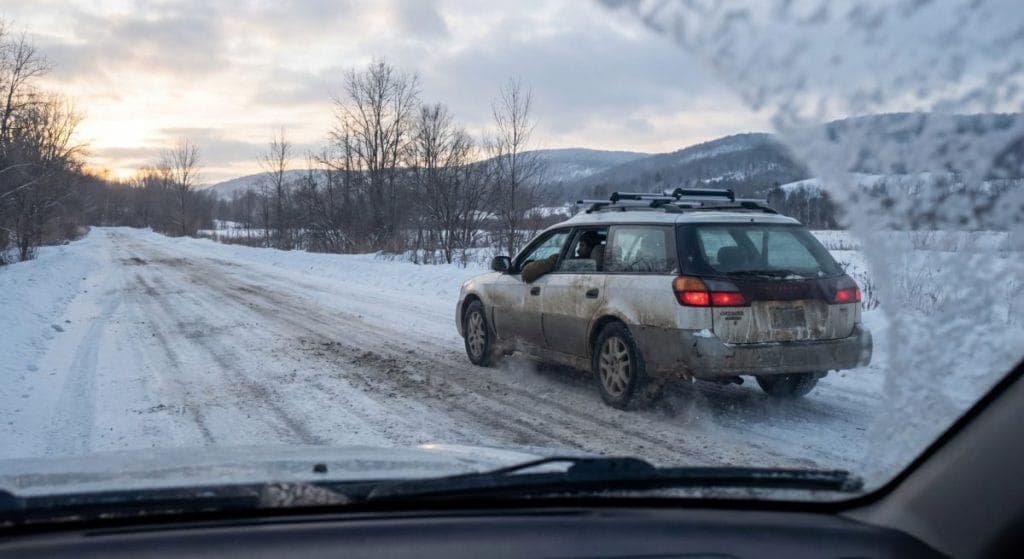
Subaru Outback is probably the most recommended used car for winter on Reddit’s r/whatcarshouldIbuy, and for good reason. Subaru’s Symmetrical AWD system is always active, not just when the car detects slipping. That means you get continuous traction management before a slide starts, not after. A used Outback from the 2015 to 2020 model years gives you a practical wagon body, solid ground clearance, and a drivetrain that was genuinely built for snowy roads. You can browse used Subaru models to see what’s available near you.
The Subaru Forester is another top pick. It’s a compact SUV with the same Symmetrical AWD, more upright visibility, and a reputation for handling snowy conditions without breaking a sweat. The 2014 to 2019 Forester models are particularly good value used. The Subaru Impreza and Subaru Crosstrek round out the brand’s lineup well, both offering AWD as standard and solid cold-weather performance in a smaller, more affordable package.
If Subaru isn’t your style, the Toyota RAV4 AWD is one of the best used SUVs for winter driving you can find. Toyota’s AWD system responds quickly to wheel slip and the RAV4 has a huge used market, which keeps prices competitive. The Toyota 4Runner is worth a look too if you want proper 4WD capability for deep snow or off-road winter conditions.
On the Honda side, the Honda CR-V AWD and Honda Pilot AWD are both excellent choices. Honda’s Real Time AWD system is reactive rather than proactive like Subaru’s, but it still handles most winter driving situations well. The CR-V is one of the best used crossover picks in the segment for balanced everyday usability and winter performance.
Best All-Wheel Drive and 4WD Used Vehicles for Fall and Winter Driving
There’s a real difference between AWD and 4WD, and knowing that difference will help you pick the right used car for your situation.
AWD sends power to all four wheels automatically and is designed for on-road use. It’s great for snowy highways, icy parking lots, and general cold-weather driving. Most modern crossovers and SUVs use AWD. The best used AWD vehicles for winter include the Subaru lineup, the Toyota RAV4, the Honda CR-V, and the Ford Escape AWD.
4WD is typically a part-time system you engage manually, built for more serious off-road or deep-snow situations. It locks the front and rear axles together for maximum traction. The best used 4WD vehicles for winter driving include:
- Toyota 4Runner — extremely reliable, excellent in deep snow, holds value well
- Jeep Wrangler — the gold standard for serious 4WD capability, though fuel economy suffers
- Ford F-150 4WD — a practical truck option with strong traction on slippery roads
- Chevrolet Equinox AWD — more affordable entry point for a capable winter AWD SUV
If you’re mostly driving on plowed roads and highways, an AWD car or crossover will serve you better day to day. If you’re heading into rural areas, mountain roads, or anywhere that doesn’t get plowed reliably, a used 4WD truck or SUV is worth the investment.
How to Make Your Small Car Perform Better in the Snow
Here’s the thing most people get wrong: AWD and 4WD help you go, but they don’t help you stop. Winter tires do both.
A front-wheel-drive Honda Civic on dedicated winter tires will outperform an AWD SUV on all-season tires in most real-world winter driving scenarios. The rubber compound in winter tires stays flexible in freezing temperatures, giving you dramatically better grip when braking and turning. All-season tires harden when it gets cold, reducing their effectiveness on snow and ice.
If you’re buying a used car for winter and your budget is tight, consider a front-wheel-drive Honda Fit, Toyota Corolla, or Subaru Impreza with a good set of winter tires over a bare-bones AWD vehicle with worn all-seasons. The tires make more difference than most people expect.
Beyond tires, make sure your used car has working traction control, ABS, and electronic stability control. Most vehicles made after 2012 have these as standard, but always confirm before you buy. An independent inspection before purchase is a must, especially if you’re relying on this car for winter commuting.
Drive Safely This Winter With the Best Used Cars for Snow
Choosing the best used cars for winter driving isn’t just about which model looks good on paper. You need to check the actual condition of the vehicle you’re buying.
Pull the VIN and run a history check using a free VIN lookup tool to see if the vehicle has flood damage in its history. Flood-damaged vehicles can have hidden electrical problems that surface in cold weather, when your car is under the most strain.
On a test drive, specifically go out in cold temperatures if you can. Listen for unusual noises when starting cold, check how the heat and defrost systems perform, and pay attention to any pulling or instability. A test drive in mild weather won’t tell you much about how the car handles when it’s actually snowy.
Ask the seller about tire condition and when they were last replaced. Winter tires on a used car are a genuine selling point. All-season tires that are three or more years old may need replacing before winter anyway, which adds to your real cost.
Winter Emergency Car Kit: Carry This Gear for Cold-Weather Driving
Even the best used car for winter driving can leave you stranded. A breakdown in cold weather can turn dangerous fast. Keeping an emergency kit in your vehicle is one of the simplest things you can do to stay safe.
Here’s what to keep in your car for winter:
- Ice scraper and snow brush — sounds obvious, but so many people skip this
- Jumper cables or a portable jump starter — cold weather kills batteries faster
- Warm blanket and gloves — if you’re waiting for a tow in freezing temps, these matter
- Small bag of sand or kitty litter — for traction if you get stuck
- Flashlight with fresh batteries — daylight is short in winter
- Basic first aid kit
- Snacks and water — if you’re stuck in a storm, you’ll be glad you have them
- Phone charger or power bank
None of this is expensive, and all of it lives in your trunk until you need it. Don’t wait until you’re spinning out on snow and ice to wish you had a bag of sand back there.
What Makes a Used Car Good for Winter Driving
Beyond just AWD vs. 4WD, a few other factors separate great winter vehicles from average ones.
Ground clearance matters in deep snow. Most standard sedans sit too low to push through significant accumulation. An SUV or crossover with six or more inches of clearance handles light to moderate snow much better. The Subaru Outback, Toyota RAV4, and Honda CR-V all offer solid clearance without going full truck.
Visibility is underrated. In snowy conditions, being able to see clearly in all directions reduces accidents. Larger windows, a higher seating position, and good mirror coverage all contribute to safer winter driving. SUVs generally have a visibility advantage over low-slung sedans.
Heating capacity also matters more than buyers expect. Some used vehicles have known issues with heater cores or defrosters. Always test the rear defroster and front defrost blower on a test drive. A broken heater in January is both miserable and a safety issue.
If you’re financing your purchase, run the numbers through our car loan calculator to make sure the total cost of ownership works with your budget, including a set of winter tires if the vehicle needs them.
Gear Up and Get Out
The best used cars for winter driving are out there at good prices right now. Subaru in particular floods the used market with well-maintained AWD vehicles, and Toyota’s reputation for reliability means a higher-mileage RAV4 or 4Runner is often still a solid buy. Honda’s CR-V and Pilot are consistently strong performers in cold weather too.
Don’t wait until the first snowfall to start shopping. Used car inventory shifts fast as temperatures drop and everyone else has the same idea you do. Get your VIN checks done, budget for winter tires, and get an independent mechanic to look over any vehicle before you sign anything.
Winter driving is manageable when you have the right vehicle under you. The best used cars for snow don’t have to be expensive, but they do have to be the right fit for where you live and how you drive. Do the homework now, and you’ll spend the whole winter driving with confidence instead of white-knuckling it through every storm.
Was this helpful?
Put it to work. Research your next car or browse our top gear picks.