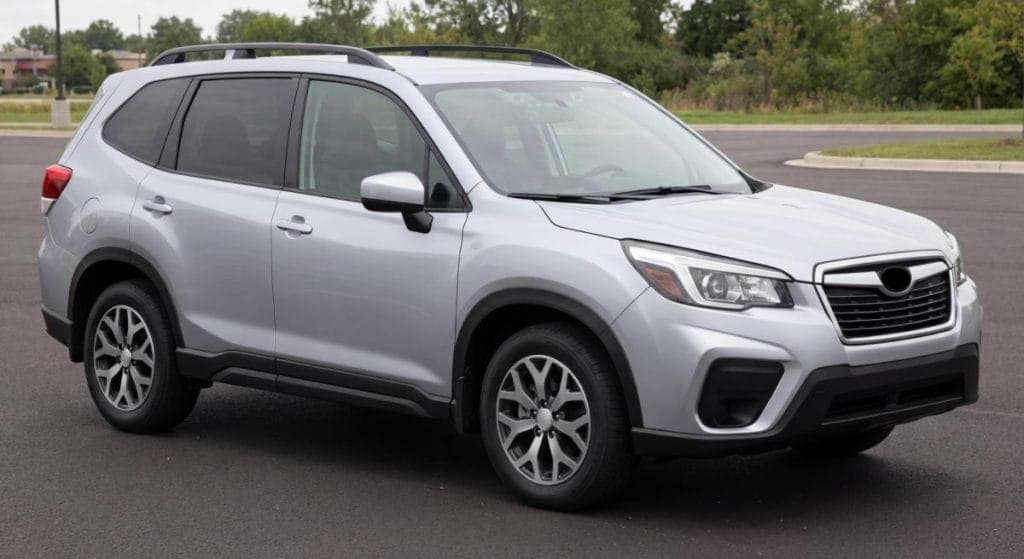
The 2020 Subaru Forester keeps showing up on used car lots for good reason. It’s a practical, all-wheel-drive SUV that checks a lot of boxes for families, commuters, and anyone who wants a capable car without a luxury price tag. But is it actually a smart used buy, or are there hidden headaches waiting for you? Here’s what this review covers, straight up.
Reliability & Common Issues
The 2020 Forester has a mixed reliability picture. RepairPal gives it a 3.5 out of 5 rating, which is decent but not exceptional, ranking it around the middle of the compact SUV pack. Most owners are happy with how the car drives day to day, but there are some specific problem areas worth knowing before you hand over your money.
Air conditioning failures are the most reported issue with this model year. Multiple owners have flagged AC problems within the first year or two, ranging from refrigerant leaks to more expensive failures behind the dashboard. One owner described a leak “behind the middle of the dashboard” that turned into a costly repair. Another reported the AC failed to cool the car entirely during the first year of ownership. If you’re looking at a used 2020 Subaru Forester, the AC system needs to be on your inspection checklist.
The 2.5-liter naturally aspirated engine is generally solid, but Subaru’s boxer engines have a well-documented history of oil consumption. Some 2020 Forester owners report burning more oil than expected between changes. It doesn’t always cause long-term damage, but you want to catch it early and understand what you’re dealing with.
The CVT transmission (continuously variable transmission) is another area to watch. Subaru has improved its CVT over the years, but it’s still not universally loved. Some owners find the transmission feels hesitant at low speeds or makes a droning noise under hard acceleration. It’s not a widespread failure issue in the 2020 model, but you should definitely test drive the car and pay attention to how the CVT behaves before buying.
There were no recalls listed for the 2020 Subaru Forester at the time this review was written, but you can always verify the latest information through the NHTSA recalls database using the vehicle’s VIN.
What to Inspect Before You Buy
A pre-purchase inspection by an independent mechanic is non-negotiable with any used car, and the 2020 Forester is no exception. Don’t rely on the seller’s word or even a dealer’s certification alone. Pay for an independent inspection. It’s usually $100 to $200 and can save you thousands.
Here’s what to pay specific attention to on this car:
- AC system: Given the reported issues, run the AC on full blast for 10 minutes before and during your test drive. Make sure it blows cold from all vents, not just one. If there’s any hesitation in cooling, dig deeper.
- Oil level and condition: Pull the dipstick yourself if you can. Dark, gritty oil or a low level on a car that supposedly had regular service is a red flag. Ask for oil change records.
- CVT behavior: Drive the car from a complete stop and accelerate through various speeds. The transmission should feel smooth and progressive. Shuddering, slipping, or unusual noise under acceleration warrants a closer look.
- Undercarriage rust: The Forester’s all-wheel drive system and boxer engine sit low. If the car has spent winters in the rust belt, check the frame rails, subframe, and wheel well edges carefully.
Also check the rear cargo area for signs of water intrusion, especially around the rear window seal. And look under the hood for any signs of oil pooling around the engine. These are small things that tell a big story about how the car was maintained.
Before your test drive, run a free VIN lookup on the car to check for accidents, title issues, and ownership history. A car with two or three previous owners in four years is worth asking about.
Fair Price Range
Used car prices shift constantly, but here’s what you can typically expect for a 2020 Subaru Forester in the current market. Pricing depends heavily on trim level, mileage, condition, and your region.
Base and Premium trims with higher mileage, say 70,000 miles or more, typically come in at the lower end of the used price spectrum for this model. Sport, Limited, and Touring trims with lower mileage, under 40,000 miles, will push toward the higher end. You’ll often see a significant gap between a well-maintained one-owner car and a fleet or rental vehicle with the same mileage, and that gap is usually worth paying for.
The 2020 Forester sits in a sweet spot between the previous generation and the 2021 refresh, which added some minor updates. If you’re price-sensitive, the 2020 model year is a solid choice since it shares most of the same features as the 2021 without the slight premium that newer inventory often carries.
If you’re financing, use a car loan calculator to figure out what a realistic monthly payment looks like at different price points before you walk into a dealership. Knowing your ceiling upfront keeps you from getting stretched by upsells.
Check the EPA fuel economy data for the 2020 Forester if fuel costs are part of your budget math. The 2.5-liter engine delivers reasonable fuel economy for an all-wheel-drive car in this class, though it’s not class-leading.
How It Drives
Let’s talk about what actually matters when you drive this car. The 2020 Subaru Forester isn’t a sporty drive. The 182-horsepower engine is adequate, not exciting. The CVT keeps things smooth on the highway, but around town, you might find it feels a little sluggish if you’re used to a traditional automatic.
What the Forester does well is comfort and confidence. The ride is composed on rough roads, the all-wheel drive system inspires genuine trust in rain and light snow, and the driving position gives you a clear view of the road ahead. The interior is functional and the rear seat space is genuinely generous for a car in this class. This is a car you drive because it makes life easier, not because it’s thrilling.
Subaru’s EyeSight driver assistance suite comes standard on most 2020 Forester trims. It includes adaptive cruise control, pre-collision braking, and lane centering. It works well at highway speeds. Just know the system uses a front camera, so a cracked or replaced windshield can trigger recalibration costs. Check the windshield carefully before you buy.
Is the 2020 Subaru Forester Worth Buying Used?
For the right buyer, yes. The 2020 Subaru Forester is a genuinely useful, capable car that holds up well over time when it’s been properly maintained. It’s especially well-suited for people who want reliable all-wheel drive, a spacious interior, and modern safety tech without moving into luxury territory.
This car makes the most sense if you’re a family driver, a commuter in a wet or snowy climate, or someone who wants a practical daily driver with decent resale value. The browse used cars by make page can help you compare available inventory across similar models if you want to see what else is on the market.
Who should look elsewhere? If you want a spirited drive, the Forester isn’t your car. The CVT and naturally aspirated engine are built for practicality, not excitement. And if you need a car with a spotless reliability record, you might be better served by a competing model with fewer owner-reported complaints around the AC system and oil consumption.
Overall, the 2020 Forester earns a cautious recommendation in this review. Go in with eyes open, get the inspection done, and make sure the specific car you’re buying has a clean history. Do that, and you’ve got a solid used car on your hands.
Before you commit to any Subaru Forester, pull its history. Run a free VIN check on this Forester to see reported accidents, title issues, and ownership history.
Once you’ve confirmed the history is clean and an independent mechanic gives it the thumbs up, the 2020 Subaru Forester is a used car worth serious consideration. Take your time, drive it thoroughly, and don’t let a seller rush you into a decision on a car this important.
Was this helpful?
Put it to work. Research your next car or browse our top gear picks.