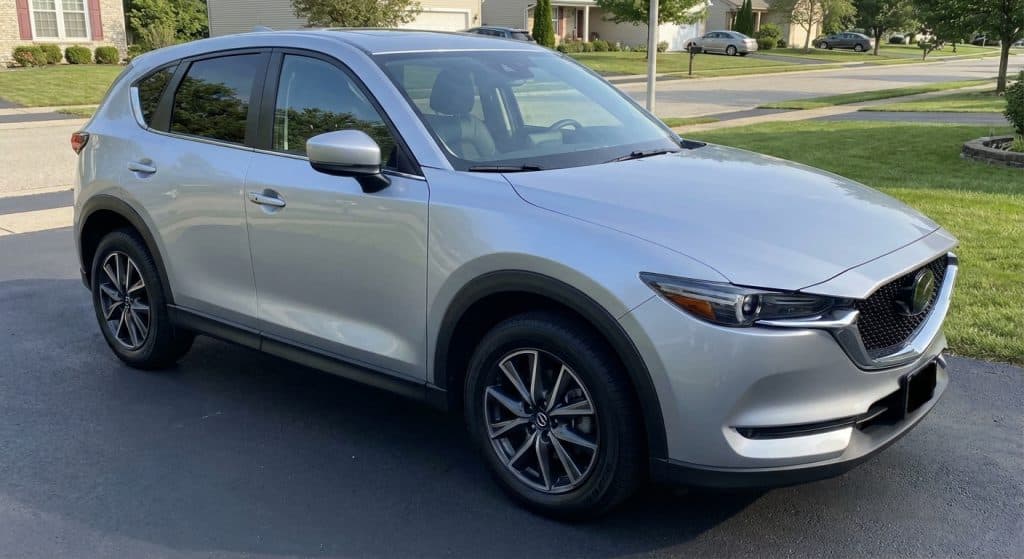
The 2020 Mazda CX-5 keeps showing up on used car shortlists for a reason. It drives better than almost anything else in its class, the interior punches well above its price point, and it holds its value like a Toyota. If you’re hunting for a compact SUV that feels premium without the premium price tag, this one deserves a serious look.
Reliability and Common Issues
The cx5 has a strong track record overall. RepairPal gives the 2020 model a reliability score of 4.5 out of 5, ranking it fourth among midsize SUVs. That’s genuinely good, not just marketing spin. But no used car is perfect, and the 2020 Mazda CX-5 does have a few specific things worth watching.
The most documented issue is oil consumption and oil leaks, particularly on the 2.5-liter 4-cylinder engine. Some Grand Touring owners have reported discovering significant oil loss with little warning. One Consumer Reports respondent from Pennsylvania noticed a large oil leak pooling in their garage, with almost no oil left in the engine. If you buy one of these, check the oil level regularly and watch the pavement under where you park.
The turbo variant deserves extra attention. The 2.5 turbo engine, available on the Grand Touring Reserve and Signature trims, produces around 250 horsepower and is genuinely fun to drive. But turbo engines need clean, regular oil changes to stay healthy. A used turbo CX-5 with a spotty service history is a risk worth taking seriously. Ask for records. If the seller can’t produce them, walk away or price it accordingly.
Brake complaints show up more often than you’d expect for this segment. JD Power consumer ratings put the CX-5’s brakes slightly below average compared to competitors. Some owners report a soft or inconsistent brake pedal feel, especially after extended highway driving. It’s not a safety crisis, but it’s something to test specifically during your test drive.
The transmission on most trims is a 6-speed automatic that’s generally smooth and dependable. A small number of owners report hesitation or rough shifts, usually at lower mileage. This tends to be a calibration issue rather than a mechanical failure, but it’s worth testing in stop-and-go traffic, not just on the open road.
As of the time of writing, the 2020 CX-5 had no outstanding recalls listed in the NHTSA recalls database. That’s a good sign, but always run the VIN to confirm for any specific vehicle you’re considering.
What to Inspect Before You Buy
A pre-purchase inspection by an independent mechanic is non-negotiable here. Even a reliable model can have a rough individual history, and the CX-5’s relative popularity means there are plenty of examples that have been pushed hard as rental cars or fleet vehicles.
Here’s where to focus your attention specifically on this model:
- Oil level and condition. Pull the dipstick yourself. Dark, sludgy oil on a turbo model is a red flag. Low oil with no obvious leak means the engine may be burning it internally.
- Interior wear patterns. The CX-5 interior is a major selling point, and the materials hold up well. But high-mileage examples can show wear on the driver’s seat bolster and the steering wheel leather. Mismatched wear can suggest the odometer doesn’t tell the full story.
- Brake pedal feel. During your test drive, do several moderate stops from highway speed. The pedal should feel firm and progressive. Sponginess or pulling to one side means the brakes need attention before you close the deal.
- Undercarriage rust. Less of a concern in dry climates, but if the vehicle has spent winters in a salt-belt state, check the frame rails and suspension components carefully. The CX-5 isn’t especially rust-prone, but no car is immune.
- Turbo responsiveness. On turbo-equipped trims, listen for any whine or hesitation when you accelerate firmly from a rolling stop. Turbo lag is normal at very low RPM, but any unusual noise or smoke is a problem.
You can also run a free VIN lookup before you even book the inspection. It’ll show you accident history, title issues, and whether the vehicle was ever a rental or fleet unit. That kind of background check takes five minutes and can save you thousands.
Fair Price Range
The 2020 CX-5 holds its value well, arguably better than most non-luxury compact SUVs outside of Toyota. That’s great news if you already own one. As a buyer, it means you won’t find bargain basement pricing.
For base Sport and Touring trims with average mileage, you’ll typically see asking prices in the mid-to-upper range for used compact SUVs in this segment. Grand Touring and turbo-equipped trims command a meaningful premium, often approaching what you’d pay for a comparable 2021 model. If you’re comparing a loaded 2020 to a base 2021, the newer model often wins on value unless the 2020 has notably lower miles.
Mileage matters a lot here. A 2020 cx5 with under 40,000 miles is still in its prime and priced accordingly. Once you get past 70,000 to 80,000 miles, prices typically soften, and that’s where patient buyers can find good deals, especially if they’re willing to budget for preventive maintenance like fresh brake pads and a transmission fluid service.
If you’re financing, run the numbers through our car loan calculator before you walk into a dealership. Knowing your monthly payment ceiling ahead of time makes the negotiation much cleaner.
Is the 2020 Mazda CX-5 Worth Buying Used?
For most buyers shopping a used compact SUV, yes. The 2020 Mazda CX-5 is one of the few vehicles in this segment where the interior actually feels like it belongs in a more expensive car. The materials, the layout, the way the seats hold you on a long cruise down the highway, it’s a noticeably better experience than a lot of the competition.
The driving dynamics are another real advantage. This isn’t a crossover that was designed purely for parking lot commutes. It steers with genuine feedback, it’s composed on winding roads, and even the base 2.5-liter 4-cylinder feels adequate in most real-world situations. Step up to the turbo and it’s genuinely quick.
It’s a smart buy for someone who wants a daily driver that doesn’t bore them, or a family hauler that still has personality. It also suits buyers who are cross-shopping against a Toyota RAV4 or Honda CR-V and want something that drives a little sharper without crossing into luxury SUV territory.
Where it falls short: fuel economy is rated lower than average for the segment according to EPA fuel economy data, particularly on the turbo. The turbo runs on premium fuel, which adds up. The back seat is also a bit tight for taller adults, and the infotainment system uses a rotary controller instead of a touchscreen at highway speeds, which some buyers love and others find annoying.
If maximum cargo room or a third-row option matters to you, look elsewhere. The CX-5 is a five-seater without much flexibility there. And if you want the best possible fuel economy in this class, a Toyota RAV4 Hybrid might be a more practical call. You can browse used cars by make to compare options side by side.
But if you want a well-sorted, enjoyable, genuinely well-built compact SUV that looks good five years on? The 2020 CX-5 Grand Touring or turbo trim is a hard act to beat.
Before you commit to any Mazda CX-5, pull its history. Run a free VIN check on this CX-5 to see reported accidents, title issues, and ownership history.
Get the inspection done, verify the service records, check that oil level yourself, and then take it for a proper test drive that includes some highway merging and a few hard stops. Do that homework and you’ll know pretty quickly whether the specific car in front of you deserves your money.
Was this helpful?
Put it to work. Research your next car or browse our top gear picks.