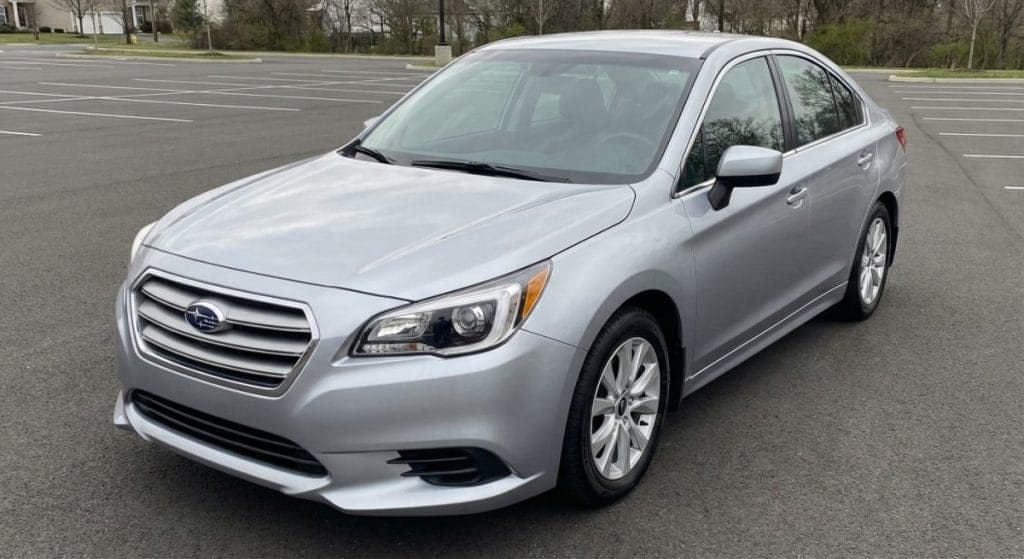
The 2018 Subaru Outback is one of the most popular used wagons on the market right now, and for good reason. It’s practical, capable in bad weather, and genuinely comfortable for daily driving. But if you’re searching “2018 Subaru Outback used car review” before handing over your money, you’re already asking the right questions. This vehicle has a few well-documented problems that every buyer needs to know before signing anything.
The short verdict: it’s a solid used buy for the right person, but go in with your eyes open. This review is built for buyers who want honest answers, not marketing copy.
Overview: What You’re Getting with a 2018 Outback
The 2018 Subaru Outback is a fifth-generation model that carries over much of the same recipe that made the nameplate popular: standard all-wheel drive, raised ride height, and a wagon body that’s more practical than most crossovers. It seats five, and the rear seat offers genuinely usable legroom for adults. The cargo area behind the rear seat is one of the best in its class.
Two engines were available: a 2.5-liter four-cylinder and a 3.6-liter six-cylinder. The four-cylinder is the more common find on the used market, and it pairs with a continuously variable transmission (CVT). The six-cylinder uses a five-speed automatic and offers more confident highway passing power, though you’ll pay a premium for it.
What’s New for 2018?
Subaru gave the 2018 Outback a mid-cycle refresh. The front fascia was updated, the interior got revised trim materials, and the infotainment system received upgrades. EyeSight driver assistance technology became more widely available across trims. These weren’t dramatic changes, but they made the 2018 model year a meaningful step up over the 2015-2017 versions.
Engine, Transmission, and Performance
The base 2.5-liter flat-four makes 175 horsepower. It’s not a fast vehicle, but it moves confidently in everyday driving. The CVT is smooth once you’re used to it, though it can feel rubbery under hard acceleration. Some owners on Reddit forums report that the CVT behaves oddly at low speeds, particularly when reversing on a slope. That’s something to test on your test drive.
The 3.6-liter six-cylinder is a different experience entirely. 256 horsepower, a traditional automatic, and noticeably smoother power delivery. If you do a lot of highway driving or occasionally tow, it’s worth finding a six-cylinder example. The tradeoff is fuel economy, which takes a real hit compared to the four-cylinder.
Fuel Economy
According to EPA fuel economy data, the 2018 Outback 2.5i rates at around 25 mpg city and 32 mpg highway. The 3.6R drops those numbers to roughly 20 city and 27 highway. Real-world results tend to be close to those figures, which is a reasonable showing for a vehicle this capable in snow and rough weather.
Interior, Comfort, and Cargo
The cabin is one of the Outback’s strongest selling points. The driver’s seat is supportive on long trips, and the seating position gives you a good view of the road without feeling truck-high. The rear seat is genuinely roomy, which matters if you’re hauling passengers regularly. Cargo space behind the rear seat checks in at 35.5 cubic feet, expanding to 73.3 cubic feet with the seats folded flat.
Build quality is decent but not exceptional. Hard plastics show up in areas where competitors use softer materials. The upholstery holds up well in most examples, but check the driver’s seat bolster on any high-mileage version you’re considering, as that area tends to wear first.
Infotainment and Connectivity
This is where the 2018 Outback gets complicated. The STARLINK multimedia system was updated for 2018 and includes Apple CarPlay and Android Auto on higher trims. But real-world ownership reviews paint a concerning picture. Multiple owners have reported the infotainment screen going completely black, losing GPS, Bluetooth, radio, and phone functions. In some cases, dealers couldn’t repair the system because replacement parts were unavailable or because the unit was sourced from a third-party supplier.
Before you buy any 2018 Outback, turn on the multimedia system, test every function, and make sure the screen is working properly. A dead infotainment unit is an expensive and frustrating repair to inherit.
Safety Features and Crash Test Ratings
The 2018 Outback came standard with Subaru’s EyeSight suite on most trims, which includes automatic pre-collision braking, adaptive cruise control, and lane keep assist. That’s a legitimate safety advantage over some competitors at this price point. The NHTSA safety ratings for the 2018 Outback are strong, with five-star overall scores in most categories.
The EyeSight system does have a known quirk: some owners report false-positive braking events, particularly in parking situations where the system detects a phantom obstacle. It’s not dangerous at low speeds, but it is startling. Check the NHTSA recalls database for the specific VIN you’re considering before buying.
Reliability and Common Issues
Here’s the part that deserves your full attention. The 2018 Outback is generally reliable, but it has some real vulnerabilities that show up with enough mileage.
Head gasket leaks are the most serious concern. Subaru’s flat-four engines have a long history with head gasket failures, and the 2018 model is not immune. Consumer Reports has published owner feedback where head gasket replacement costs ran close to $4,700 on vehicles with under 50,000 miles. This is a manufacturer design pattern, not just hard-luck ownership.
Windshield cracking is another complaint that comes up repeatedly on owner forums and on Cars.com reviews. The cracking often happens without obvious impact, leading many owners to suspect a structural or design issue. Replacing the windshield on an EyeSight-equipped Outback is pricier than a standard windshield swap because the camera system requires recalibration afterward.
Multimedia system failures, as covered above, are a documented pattern. If the screen is already dead on the used vehicle you’re looking at, factor in a significant repair cost or walk away.
CVT reliability is generally acceptable, but some owners report shuddering or hesitation, particularly in older examples with deferred maintenance. Ask for transmission service records and do your own research on the specific VIN using a free VIN lookup to check for any reported issues.
Paint and finish quality is a consistent complaint across Subaru ownership forums. The 2018 Outback’s paint is considered thin and prone to chips, especially on the hood and front bumper. This doesn’t affect reliability, but it’s worth factoring into your assessment of any used example.
What to Inspect Before You Buy
Get an independent pre-purchase inspection from a mechanic who has experience with Subaru vehicles. That’s not optional on this vehicle given the head gasket history.
Specifically, ask your mechanic to check for coolant leaks around the head gasket area, and look for any evidence of coolant mixing with oil. Pull the oil cap and check for milky residue. Also ask them to inspect the CV boots and all-wheel drive components, since these wear over time and are more expensive to address on all-wheel drive vehicles.
On your own test drive, do the following:
- Turn on every infotainment function and verify the screen is stable. Test GPS, Bluetooth, and radio separately.
- Test the EyeSight system in a parking lot at low speed to confirm it’s functioning and not throwing false brake interventions.
Check the windshield carefully for any cracks, chips, or stress fractures, especially along the edges and corners. Inspect the wheel arches and lower rocker panels for rust on vehicles from northern states or anywhere road salt is used regularly.
Fair Price Range
A 2018 Outback with average mileage in good condition typically falls in a broad range depending on trim level and region. You’ll often see base 2.5i models priced lower than Touring or Limited trims, which can carry a significant premium because of their technology packages and upgraded seating. Higher mileage examples typically come in lower, but factor in the head gasket risk if you’re looking at vehicles with 80,000 miles or more.
The six-cylinder 3.6R variants typically command a premium over comparable four-cylinder models. If you find a 3.6R at the same price as a four-cylinder example, ask why. Our car loan calculator can help you figure out what monthly payment you’re looking at once you’ve found a price you’re comfortable with.
You can browse used Subaru Outback listings across thousands of vehicles to get a feel for current market pricing in your area before you start negotiating.
Similar Vehicles Worth Considering
If the Outback’s reliability concerns give you pause, a few alternatives are worth your time. The Toyota RAV4 from the same era offers stronger long-term reliability data. The Honda CR-V is more fuel efficient but lacks the all-wheel drive capability that makes the Outback genuinely useful in tough winters. The Mazda CX-5 gives you a more polished driving experience at a similar price point.
None of those alternatives match the Outback’s combination of cargo space, ride height, and standard all-wheel drive at this price. But they’re worth a look if you’d rather avoid the head gasket gamble.
Is the 2018 Subaru Outback Worth Buying Used?
For the right buyer, yes. If you want a practical, weather-capable vehicle with genuine cargo space and a comfortable ride, the 2018 Subaru Outback delivers all of that. It’s especially good for buyers in snowy climates or those who do a lot of highway miles.
The head gasket issue is real and serious, so you need to budget for that possibility or get documentation that the work has already been done. The infotainment failures are annoying and potentially expensive. And if you’re not prepared to stay on top of maintenance and address small issues before they grow, this probably isn’t your vehicle.
This vehicle is best for buyers who want all-weather confidence, don’t mind doing their homework upfront, and are willing to pay for a pre-purchase inspection. It’s a tougher call for buyers on a tight budget who can’t absorb a surprise repair bill.
Whatever you decide, get that independent inspection done before you buy. The issues above are manageable when you know about them going in. They’re expensive surprises when you don’t.
Before you commit to any Subaru Outback, pull its history. Run a free VIN check on this Outback to see reported accidents, title issues, and ownership history.
A clean VIN report won’t tell you about head gasket wear, but it will flag past accidents, title problems, and how many times the vehicle has changed hands. Pair that with a mechanic’s inspection and you’ll have a clear picture of exactly what you’re buying.
Was this helpful?
Put it to work. Research your next car or browse our top gear picks.