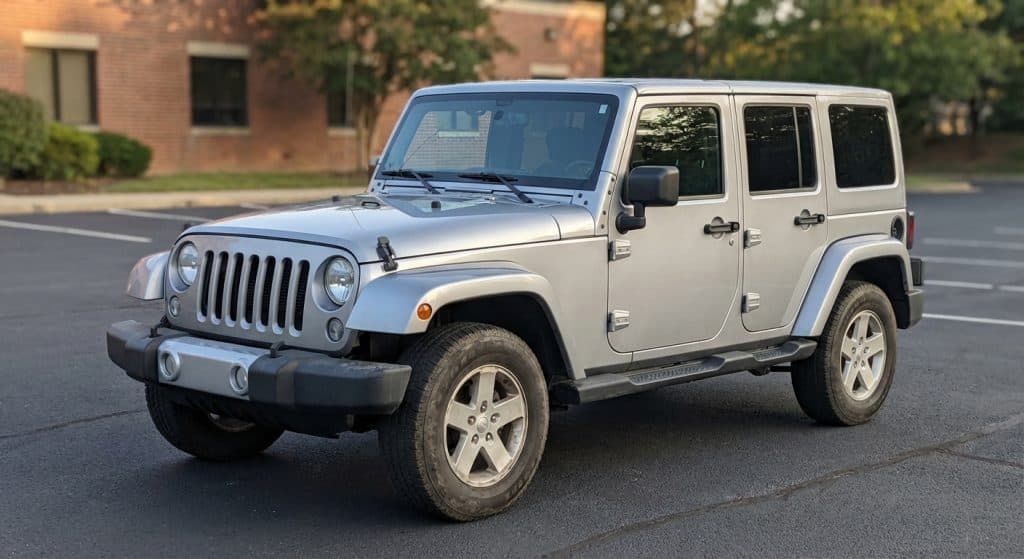
The 2018 Jeep Wrangler is one of the most searched used SUVs out there, and for good reason. It’s iconic, capable, and holds its value like almost nothing else on the road. But before you fall in love with one at a dealership or on a private listing, you need to know what you’re getting into. This is the last year of the JK generation, which matters a lot when you’re shopping. Here’s the honest, no-fluff take on whether this Jeep deserves your money.
Reliability and Common Issues
Let’s be straight with you: the 2018 Jeep Wrangler has a reliability problem. RepairPal gives it a rating of 3 out of 5, which lands it near the bottom of the compact SUV class. Consumer Reports also flags it as less reliable than most vehicles from the same model year. That doesn’t mean it’s a lemon, but it does mean you need to go in with eyes wide open.
The 2018 Jeep Wrangler has been recalled 14 times by NHTSA. You can check the full list at the NHTSA recalls database. These recalls cover everything from airbag issues to problems with the front driveshaft. Before buying any used Wrangler, make sure every open recall has been addressed. Pull the VIN and verify it yourself.
Beyond recalls, there are patterns that show up in real owner feedback. Electrical gremlins are reported from day one by some owners, including infotainment glitches and sensor faults. Frame corrosion at welds is a well-documented complaint, with some owners noting rust and oxidation forming at weld points due to dissimilar metals used during assembly. This is a known multi-year Jeep issue, not just a 2018 problem, but it’s still something you need to physically look at before handing over any money.
The transmission in the base 2018 model (the 3.6L Pentastar V6 paired to either a 6-speed manual or 8-speed automatic) is generally solid, but some owners report rough shifting in the automatic, especially when cold. Give it a thorough test drive. If it hesitates or clunks when moving through gears, walk away.
The engine itself (the 3.6L V6 carried over from Chrysler’s broader lineup) has proven durable when maintained. The bigger concern is whether the previous owner actually maintained it. Off-road abuse, neglected oil changes, and deferred maintenance are all common with used Jeeps. Get the service records. If there aren’t any, treat that as a red flag.
What to Inspect Before You Buy
A pre-purchase inspection from an independent mechanic is non-negotiable with a used Wrangler. Don’t just rely on the seller’s word or a quick test drive. These vehicles get used hard, and the damage isn’t always obvious at first glance.
Start underneath the vehicle. Check the frame, skid plates, and undercarriage for dents, cracks, or signs of off-road damage. The frame corrosion issue mentioned earlier tends to show up around welds on the lower body and near the rear bumper mounts. Look closely at every weld point for rust that goes beyond surface-level discoloration.
Check the wheel wells and the areas around the doors and hinges. Jeep door hinges corrode faster than on most vehicles, especially if the doors have been removed and reinstalled repeatedly (common with Wrangler owners). Misaligned doors or stiff hinges that don’t swing smoothly are worth questioning.
Look at the tires. If the tires are oversized aftermarket off-road tires, ask whether the suspension and differential have been modified to compensate. Running larger tires without proper modifications puts stress on the wheel bearings, axles, and transmission. If someone swapped out the tires without addressing the rest of the drivetrain, you’re inheriting that wear.
Inside, check every seat. Wrangler seats, especially the rear seats and fold-down back bench, tend to show wear faster than other vehicles. The seat fabric or leather at the bolsters is usually the first to go. Sit in every seat position and make sure the fold-flat function on the rear seat works properly. Check the latches, too.
Run the free VIN lookup tool before you even go see the vehicle in person. You’ll be able to check for reported accidents, title problems, and ownership history. On a Jeep Wrangler specifically, knowing whether it’s been off-road in serious terrain can save you from a very expensive surprise later.
Fair Price Range
The 2018 Jeep Wrangler holds its value better than almost any other used vehicle in its class. That’s great if you own one. It means you’ll pay a premium if you’re buying one. Expect to pay more for a low-mileage example than you might for comparable SUVs from the same year.
Pricing depends heavily on trim level. A base Sport trim with higher mileage will typically come in at a significantly lower price than a well-equipped Rubicon with low miles and factory upgrades. The Rubicon trim commands a premium because of its locking differentials, stronger axles, and off-road hardware. If you don’t actually need those capabilities, you’ll get more value from a Sport or Sahara.
You’ll often see high-mileage 2018 Jeep Wranglers priced higher than you’d expect because of the name alone. Don’t let the badge override your judgment. Use our car loan calculator to figure out what a realistic monthly payment looks like before you start negotiating.
Condition matters enormously with this vehicle. A Wrangler that’s been a weekend grocery-getter will hold up very differently from one that’s been wheeled hard on rocky trails every weekend. Get a professional inspection, factor in any needed repairs, and price accordingly.
Is the 2018 Jeep Wrangler Worth Buying Used?
Here’s the real answer: it depends entirely on who you are and what you actually need from a vehicle.
If you want genuine off-road capability, a vehicle with a passionate enthusiast community, and something that’ll turn heads everywhere you park, the Jeep Wrangler is hard to beat. The JK generation ends with this model year, and it’s a known quantity. Parts are plentiful, mechanics who know the platform are everywhere, and the aftermarket support is massive. If something breaks, you’ll be able to find a fix.
The 2018 model is also the last before Jeep rolled out the updated JL generation, which introduced the turbocharged 2.0-liter four-cylinder engine. Some buyers specifically want to avoid the new 2.0 turbo because of concerns about long-term reliability on that engine, preferring the proven Pentastar V6 instead. That’s a legitimate reason to target the 2018 over a newer model.
That said, if you’re commuting daily on highways, want a smooth ride, and don’t plan to take it off pavement, you’ll find the Wrangler loud, thirsty, and uncomfortable compared to most crossovers. The EPA fuel economy data reflects that honestly. Wranglers are not efficient highway vehicles.
If you’re comparing used Wranglers and want to see what else is available, you can browse used cars by make to compare trims, mileage, and history across a wide range of options.
Who should buy one? Buyers who want off-road capability, plan to keep the vehicle long-term, and can handle a higher ownership cost. Who should look elsewhere? Daily commuters, fuel economy-conscious buyers, and anyone who needs a genuinely reliable vehicle on a tight repair budget.
Before you commit to any Jeep Wrangler, pull its history. Run a free VIN check on this Wrangler to see reported accidents, title issues, and ownership history.
The 2018 Jeep Wrangler is a vehicle that rewards buyers who do their homework. Know the platform, inspect the specific truck you’re considering, get that independent mechanic involved, and verify the history before you sign anything. Do that, and you’ll know exactly what you’re buying. Skip it, and you might find out the hard way why this one was for sale in the first place.
Was this helpful?
Put it to work. Research your next car or browse our top gear picks.