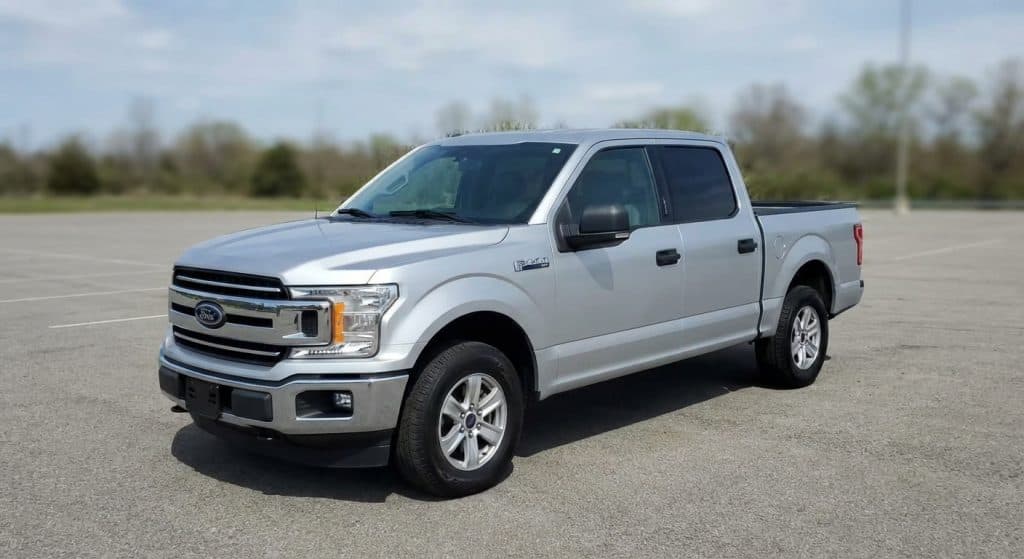
The 2018 Ford F-150 is one of the most capable and popular trucks on the used market, but it’s not a slam dunk. If you’re a truck buyer who needs a hard-working hauler with a modern interior and strong engine options, this truck has a lot going for it. Just go in with your eyes open.
Reliability & Common Issues
Consumer Reports rates the 2018 Ford F-150 as less reliable than average for its model year, which is worth taking seriously before you hand over your money. That doesn’t mean every example is trouble, but it does mean you want to know exactly what you’re buying.
The biggest concern most owners bring up is the transmission. The 10-speed automatic, which Ford co-developed with GM, has a documented history of rough, unpredictable shifting. Owners on Cars.com and Edmunds describe it jumping gears erratically, especially in normal driving mode. One owner reported their f150 transmission skipping from 4th gear all the way to 1st during regular highway driving. Ford’s official response has often been that this behavior is “normal,” but putting the truck in Sport or Tow mode typically smooths it out.
Beyond the transmission, here are the problem areas you’ll want to watch:
- Engine spark plugs and ignition coils on the EcoBoost engines tend to wear faster than expected, often showing symptoms before 100,000 miles.
- Panoramic roof leaks are a known complaint on crew cab models equipped with the optional sunroof.
- Brake pedal feel has drawn complaints, with some owners noting a soft or inconsistent pedal that Ford addressed through software updates.
- SYNC infotainment freezing is common across this generation of Ford vehicles.
The 2018 Ford F-150 has been recalled 17 times by NHTSA, which is a high number. You can check the full list through the NHTSA recalls database using the specific VIN of any truck you’re considering. Some recalls are minor, but others involve safety-critical systems like the parking brake and seat belts. Make sure all open recalls have been completed before you buy.
RepairPal gives the 2018 f150 a reliability score of 3.5 out of 5, placing it 8th out of 19 full-size trucks. That’s middling, not terrible. The truck isn’t unreliable by design, but it has more known issues than rivals like the Toyota Tundra from the same year.
What to Inspect Before You Buy
Start with the transmission. Take the truck on a proper test drive that includes highway speeds, stop-and-go city traffic, and a stretch where you can accelerate hard from a stop. Pay attention to how it shifts between gears. Any shuddering, hard clunks, or hesitation during light acceleration should raise a flag. That 10-speed can be re-learned or updated via software in some cases, but chronic transmission issues can also be expensive.
On the body inspection, the aluminum body panels don’t rust the way traditional steel does, but they do dent more easily and can be costly to repair. Check every panel for poorly repaired dents or mismatched paint, which often signals a prior accident that a seller might not disclose. The steel frame underneath, though, absolutely can rust, especially on trucks from northern states or Canada. Get under the truck and look.
Check the wheel wells and frame rails closely. Look for surface rust turning into flaking or pitting. A little surface oxidation is normal on a truck this age, but deep corrosion around mounting points is a red flag.
For trucks equipped with the 3.5 EcoBoost engine, pull the oil cap and look for white milky residue, which could indicate coolant mixing with oil. Also check for blue smoke on cold starts, which points to worn valve seals. These engines can run well past 200,000 miles with proper maintenance, but a neglected example will let you know quickly.
The passenger side footwell and the passenger side floor are common spots to check for water intrusion, especially on trucks with a sunroof. Press the carpet with your hand and feel for any dampness. Water damage leads to mold, electrical gremlins, and big repair bills.
Always, without exception, have an independent mechanic inspect any used vehicle before you buy it. A pre-purchase inspection typically costs between $100 and $150 and can save you from a very expensive mistake. Don’t rely on the seller’s word or a dealership’s assurances.
You can also run a free VIN lookup before you even schedule the inspection. It takes two minutes and can surface accident history, title issues, or odometer discrepancies that change the whole picture.
Behind the Wheel
Once you’re actually driving one, the 2018 Ford F-150 impresses. The cabin on higher trims is genuinely comfortable, with well-bolstered seats and a solid infotainment layout. The passenger space in the SuperCrew cab is best-in-class for the year, making it a practical family truck as much as a work vehicle.
The EcoBoost engines offer strong performance without killing your fuel budget. The 3.5 EcoBoost is especially capable if you need to tow regularly, delivering real pulling power that holds up on long hauls. Check EPA fuel economy data for the specific engine configuration you’re looking at, since mileage varies significantly between the base V6 and the turbocharged options.
The ride quality is smooth for a full-size truck, and the overall driving experience is polished. If you can live with the transmission quirks in normal driving mode, the day-to-day experience is genuinely good.
Fair Price Range
Pricing on a 2018 Ford F-150 varies a lot depending on trim, engine, and mileage. You’ll typically see base XL and XLT models with higher mileage at the lower end of the market, while Lariat, King Ranch, and Platinum trims command significantly more.
For a clean, lower-mileage example in the 60,000 to 80,000 mile range, you’ll often see asking prices that reflect strong demand. The f150 holds its value well as a used truck. Higher mileage examples, especially those over 120,000 miles, drop off more sharply in price, which can represent good value if the maintenance history is solid.
Trucks from fleet use or with unknown service records should be priced lower to account for the additional risk. Use a car loan calculator to make sure the total cost of ownership, including likely repairs, fits your actual budget rather than just the sticker price.
If you want to browse available listings across different trims and mileage ranges, you can browse used Ford F-150s by make to get a sense of what’s out there right now.
Is the 2018 Ford F-150 Worth Buying Used?
The 2018 Ford F-150 is a solid choice for buyers who need a capable, comfortable full-size truck and are willing to do their homework first. It’s best suited to someone who wants a daily driver that can also handle towing and hauling without compromise, and who won’t be scared off by slightly above-average maintenance needs.
It’s a particularly good fit if you’re buying a well-spec’d example with a documented service history and all open recalls completed. The truck genuinely delivers on its promise as a work and family vehicle.
If you want maximum reliability with minimal worry, you’d probably be better served by a Toyota Tundra from the same era. If the transmission history of a specific 2018 f150 is unclear, or if the seller can’t produce service records, walk away. There are enough examples on the market that you don’t need to settle for a questionable one.
Buyers outside North America, including those researching 2018 Ford F-150 options in the UK or Australia, should factor in that the F-150 is not officially sold in those markets. Import costs, parts availability, and servicing all add complexity that changes the value equation considerably.
Before you commit to any Ford F-150, pull its history. Run a free VIN check on this F-150 to see reported accidents, title issues, and ownership history.
The 2018 ford f150 is a truck that rewards buyers who do their due diligence. Check the VIN, get it inspected, verify the recalls, and test that transmission thoroughly. Do those things and you’ll have a much clearer picture of whether a specific truck is worth your money.
Was this helpful?
Put it to work. Research your next car or browse our top gear picks.