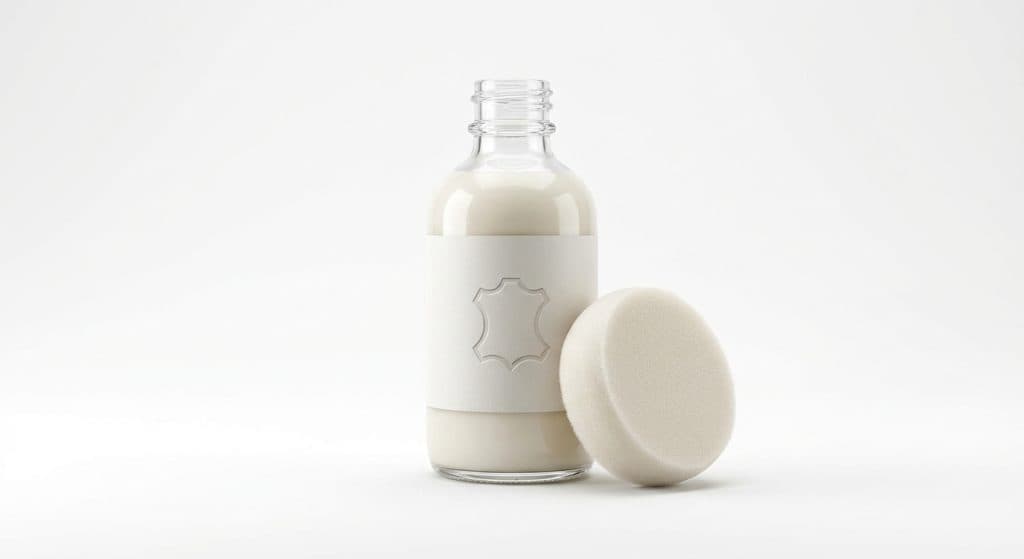
Leather seats look great when they’re new, but without regular care they dry out, crack, and fade fast. The difference between leather that lasts a decade and leather that looks wrecked after two years often comes down to one thing: whether you bother to clean and condition it. A good leather conditioner keeps the material supple, repels moisture, and restores color that’s started to dull. A bad one leaves a greasy film, causes premature fading, or does nothing at all. Picking the right product isn’t complicated, but there are a few things worth knowing before you grab whatever’s on the shelf at the auto parts store.
What to Look For
Not all leather care products are built the same. Here’s what actually matters when you’re choosing a leather cleaner or conditioner.
pH Balance: Leather is sensitive. Products that are too alkaline or too acidic can strip the finish or dry out the hide faster than if you’d done nothing at all. Look for products specifically labeled as pH-balanced for leather. This isn’t marketing fluff. It’s the difference between a product that conditions and one that slowly damages.
Conditioner vs. Cleaner vs. 2-in-1: A leather cleaner removes dirt, oils, and grime. A leather conditioner moisturizes and protects. Some products do both, which is convenient for maintenance washes. But if your leather is visibly dirty or stained, a dedicated cleaner first, then a conditioner, will get better results. Using a 2-in-1 on filthy leather often just moves the dirt around.
UV Protection and Protectant Properties: Sun does serious damage to leather surfaces over time. A protectant with UV inhibitors helps slow that process. If your car sits in sunlight regularly, or if you park outside most of the time, this feature isn’t optional. It’s the main reason leather in a garage-kept car can look newer at 100,000 miles than leather in a daily driver at 40,000.
Finish After Application: Some conditioners leave leather looking shiny and slick. Others dry matte. Neither is wrong, but it’s personal preference. What you don’t want is a product that leaves a sticky or greasy residue, especially on leather seats where you’re sitting every day. Read reviews that specifically mention the feel after drying, not just how it looks in before-and-after photos.
Our Top Picks
We looked at what detailing professionals use, cross-referenced real-world testing from sources like Car and Driver and Road and Track, and focused on products that handle the full range of leather care needs, from quick wipe-downs to full restoration jobs.
Best Overall: Leather Honey Leather Conditioner
Leather Honey has been around since 1968, and it’s earned its reputation. This conditioner penetrates deeply into leather surfaces without leaving an oily or sticky residue behind, which is rare for a product this effective. It works on car seats, steering wheels, leather dashboards, and practically any other leather surface in your vehicle.
Pros:
- Penetrates leather fiber deeply, keeping it supple for up to six months per application
- Leaves no greasy film on leather seats or stitching after buffing with a clean cloth
- Works on finished and unfinished leather, including aged or cracked hides that need to restore some flexibility
Cons:
- Has a mild, slightly sweet smell that some people find noticeable in a closed car for a day or two
- Application requires a bit more time to work in compared to spray-on options

Leather Honey Leather Conditioner
Check Price on Amazon →Best Budget Pick: Armor All Leather Care Wipes
Armor All isn’t a boutique brand, but these leather care wipes punch above their weight for convenience and value. Each wipe is pre-saturated with a cleaner and protectant formula, so you can wipe down your leather seats, steering wheel, and door panels without measuring or mixing anything. Toss a pack in your glovebox and you’ll actually use it.
Pros:
- Pre-moistened wipes clean and condition leather surfaces in one step with zero product waste
- Includes UV protectant to help slow sun-related fading on leather seats
- Budget-friendly price makes it realistic to wipe down your interior every few weeks
Cons:
- One box won’t clean an entire cabin, better suited for spot cleaning and quick maintenance than a full detail
- Conditioning effect doesn’t last as long as a dedicated liquid conditioner
Armor All Leather Care Wipes
Check Price on Amazon →Best for Restoration: Leather CPR Cleaner and Conditioner
If you’ve picked up a used car with leather that looks dry, faded, or cracked, Leather CPR is designed specifically to restore leather that’s seen better days. The formula combines a leather cleaner with deep conditioning agents that work together to bring neglected leather back from the edge. It won’t fix deep cracks or tears, but it does a genuinely impressive job on dull, dry, or stiff leather.
Pros:
- Restores flexibility to stiff or dry leather that standard conditioners can’t fully penetrate
- Cleans and conditions in one pass, reducing product count for a full restoration job
- Works well on leather seats, leather steering wheels, and leather door panels in older vehicles
Cons:
- Can leave a slightly darker appearance on lighter-colored leather on the first application
- Not the best choice for regular maintenance once leather is already in good shape
Leather CPR Cleaner and Conditioner
Check Price on Amazon →Best Premium Option: Chemical Guys Leather Cleaner and Conditioner Kit
Chemical Guys built this kit as a two-step system: a dedicated leather cleaner first, then the conditioner. That two-step approach gives you cleaner results than any 2-in-1 when leather is genuinely dirty, and the conditioner leaves leather feeling legitimately soft without any waxy buildup. The kit includes a foam applicator pad, so you don’t need to source tools separately.
Pros:
- Two-step system removes contamination from leather surfaces before conditioning, not after
- Conditioner leaves leather feeling soft and supple without a slick or greasy finish
- Included applicator pad is designed for leather, giving more even coverage than a generic microfiber cloth
Cons:
- Premium price tag puts it above most single-product options
- Two-step process takes more time than a 2-in-1 if you’re doing a quick maintenance clean
Chemical Guys Leather Cleaner and Conditioner Complete Kit
Check Price on Amazon →Also Consider: Meguiar’s Ultimate Leather Detailer
Meguiar’s Ultimate Leather Detailer is a spray-on option that works well as a between-detail refresher. It’s not a deep conditioner, but it cleans light surface grime, adds a light protectant layer, and helps nourish leather that gets conditioned more thoroughly every few months. The spray format makes it fast to use across an entire interior.
Pros:
- Spray-and-wipe application takes under five minutes for a full interior refresh
- Restores a clean, matte appearance to leather without adding shine or tackiness
- Mid-range price makes it accessible for regular use between deeper conditioning sessions
Cons:
- Doesn’t provide the deep conditioning of a dedicated cream or oil-based product
- Works best paired with a quarterly deeper conditioning treatment rather than as a standalone solution
Meguiar’s Ultimate Leather Detailer
Check Price on Amazon →Frequently Asked Questions
Does car leather actually need a conditioner?
Yes, and more often than most people think. Leather is essentially skin, and it dries out without moisture. The heating and cooling cycles in a car cabin, combined with UV exposure, pull moisture out of leather faster than most people realize. Conditioning leather seats every two to three months keeps them supple, prevents cracking, and helps them hold their color. Skipping it entirely typically means you’ll start seeing cracking and fading well before the car hits high mileage.
What’s the difference between a leather cleaner and a leather conditioner?
A leather cleaner removes surface dirt, body oils, and grime that builds up on leather surfaces over time. A leather conditioner adds moisture and a protectant layer that keeps the material from drying out. You need both. Cleaning without conditioning leaves leather clean but unprotected. Conditioning without cleaning first can lock in dirt and accelerate wear. The order matters: always clean leather first, then condition.
How do you condition car leather properly?
Start with a dedicated leather cleaner and a microfiber cloth. Work in sections, wiping in small circular motions to lift dirt without spreading it. Let the leather dry completely before moving to the conditioner. Apply the leather conditioner with an applicator pad or clean microfiber, working it into the leather in circular motions. Let it absorb for five to ten minutes, then wipe away any excess with a clean, dry cloth. Repeat every two to three months, or more often if the car sits in direct sun regularly.
Final Thoughts
If you want one product that does most of the work, Leather Honey is the best leather conditioner for most car owners, trucks and cars alike. It’s proven, affordable, and genuinely effective for regular leather care. If your leather is in rough shape, grab Leather CPR first to restore it, then use Leather Honey for ongoing maintenance. For a professional-grade two-step setup, the Chemical Guys kit is hard to beat. Whatever you pick, start using it now. Leather doesn’t announce when it’s about to crack.
Published March 22, 2026